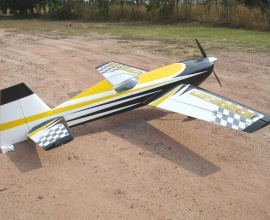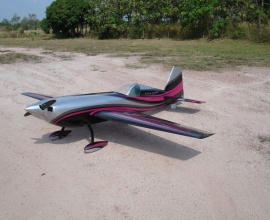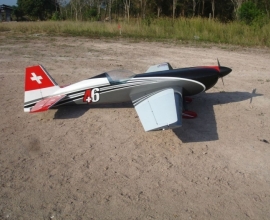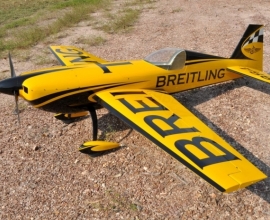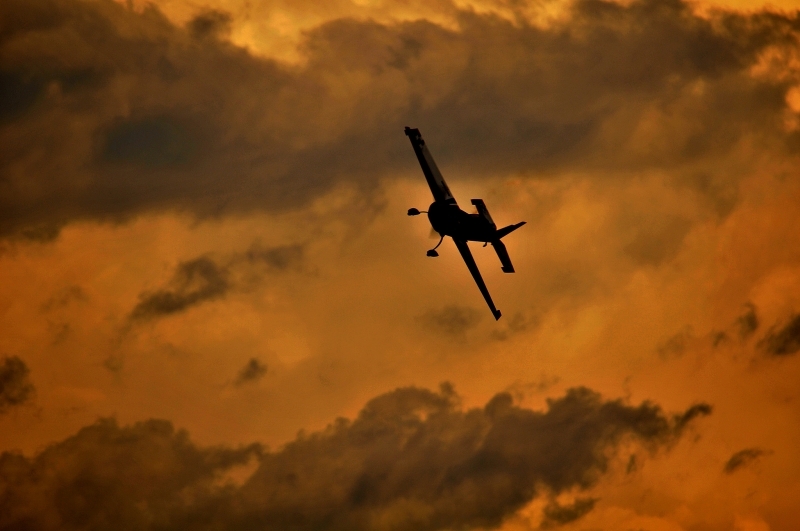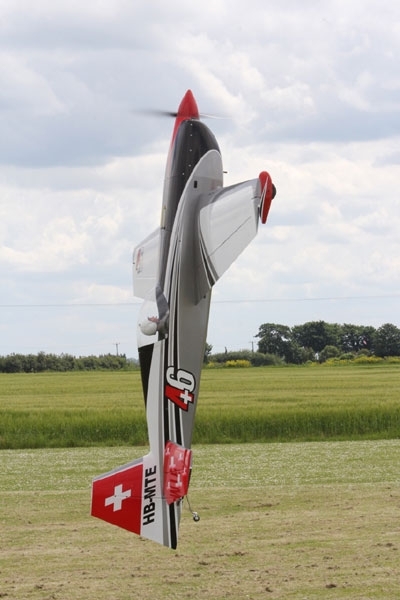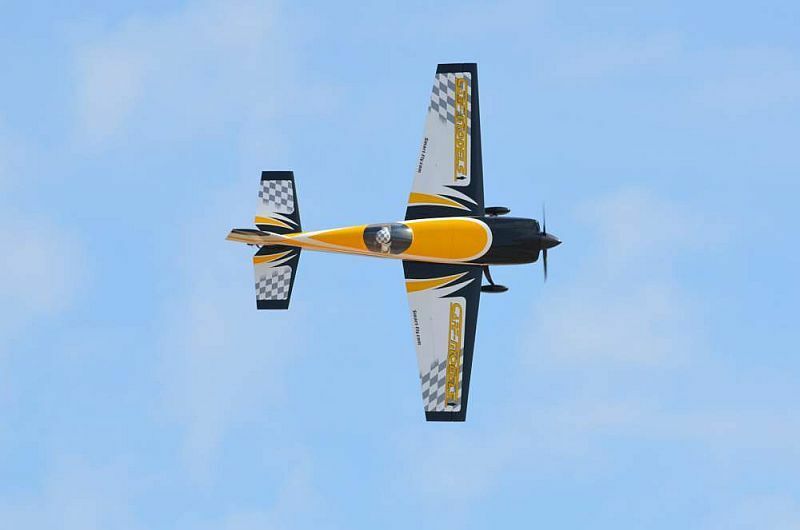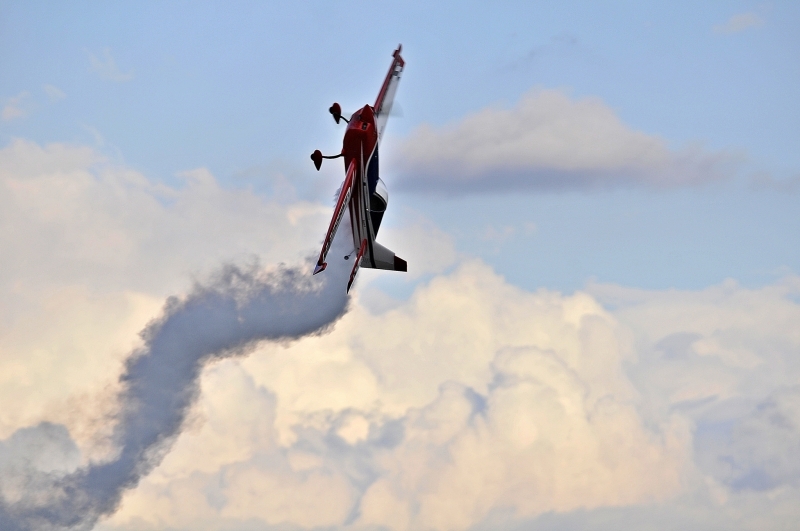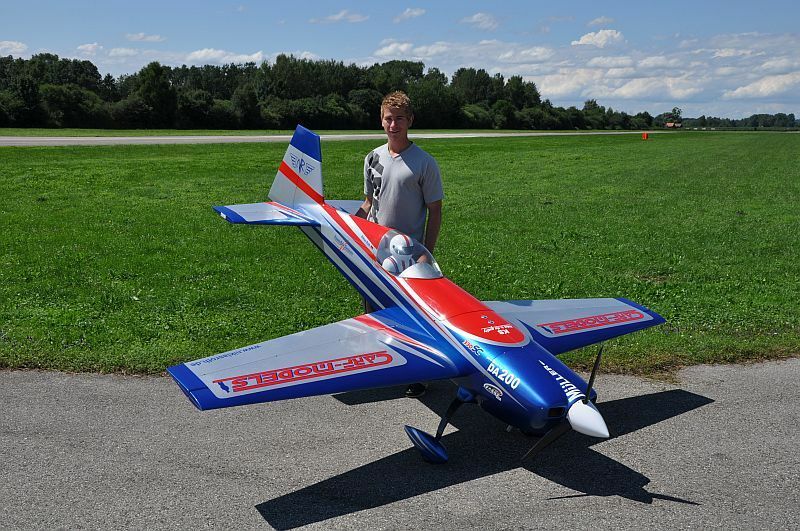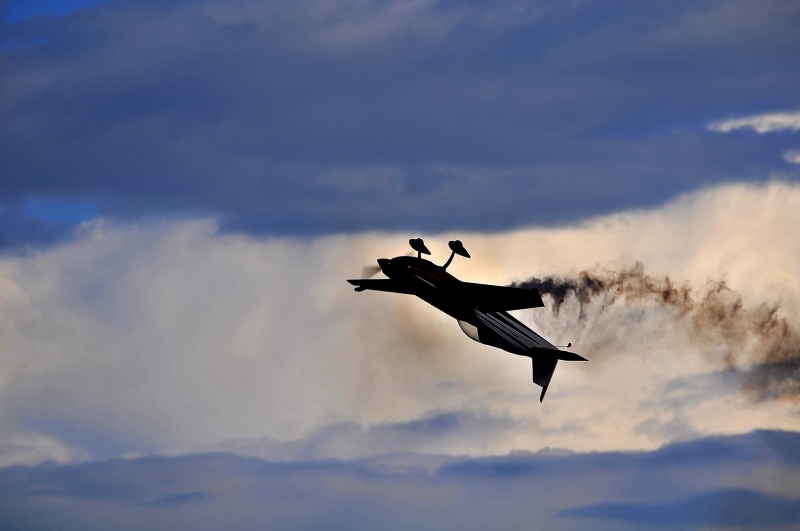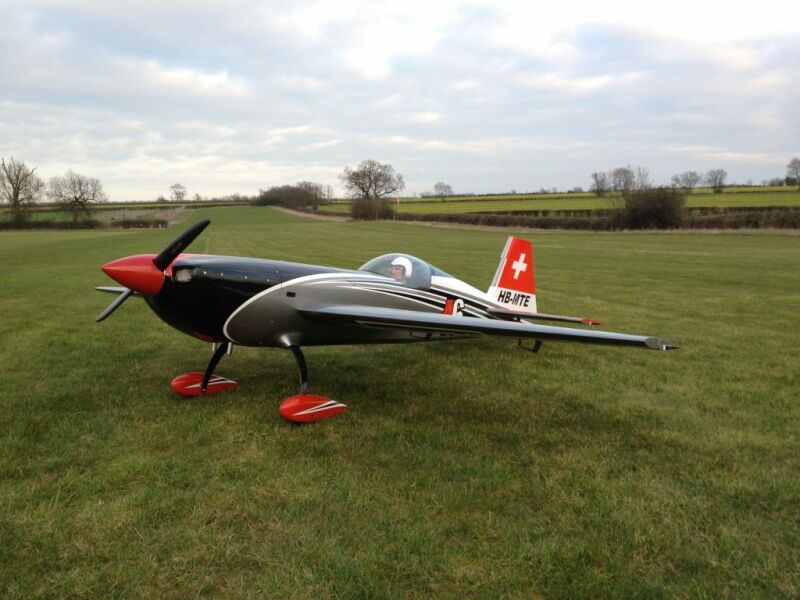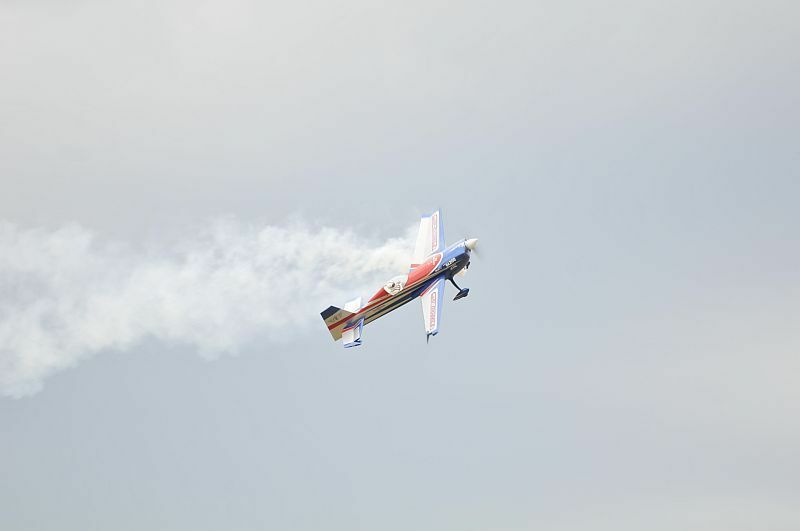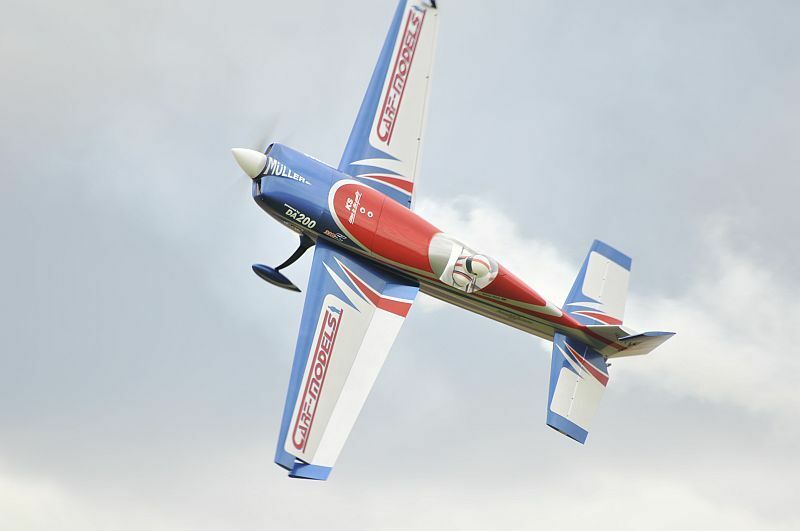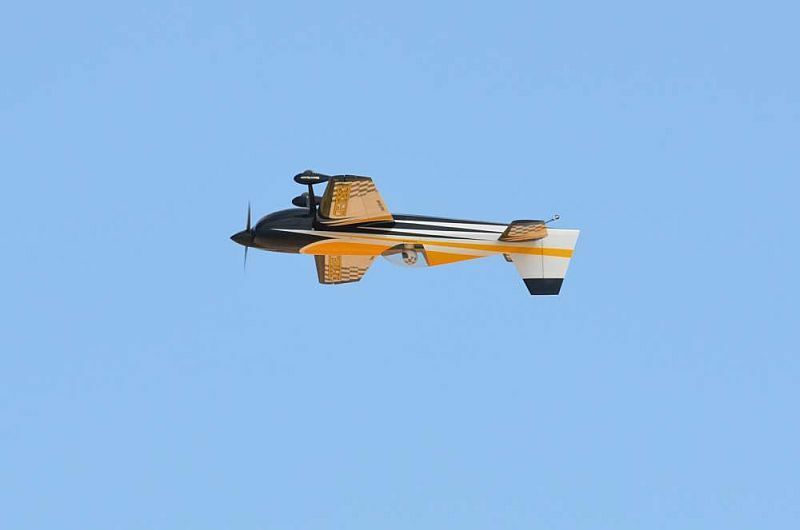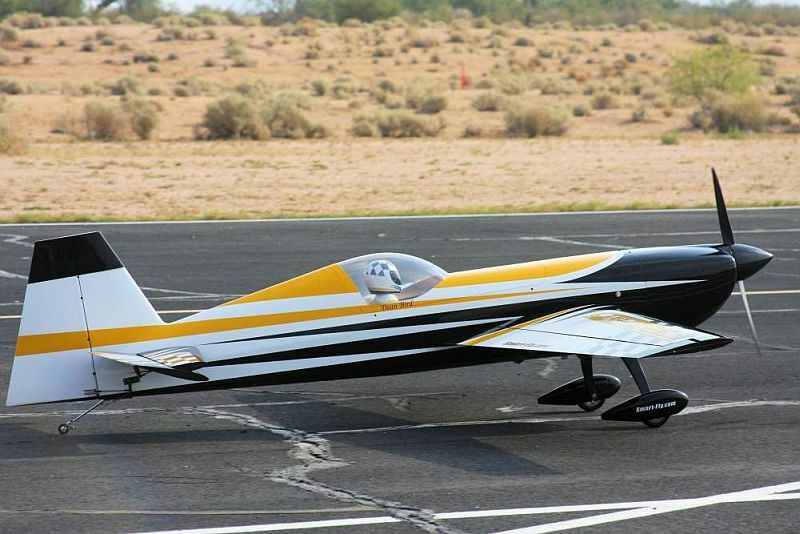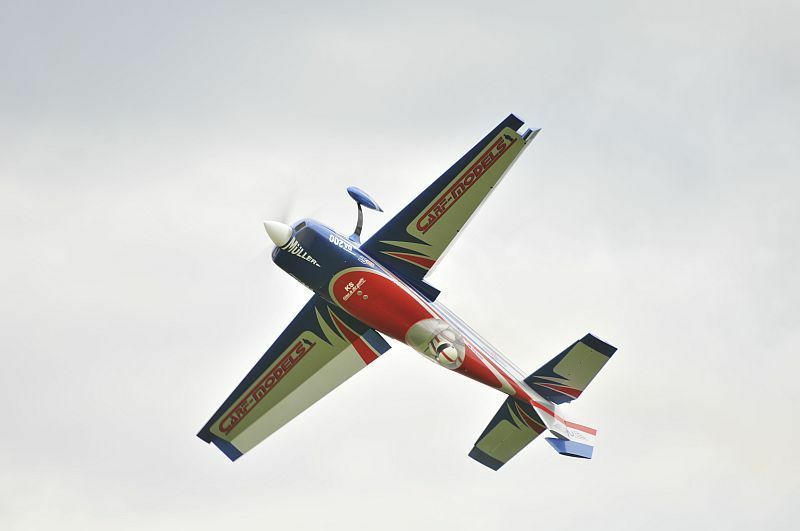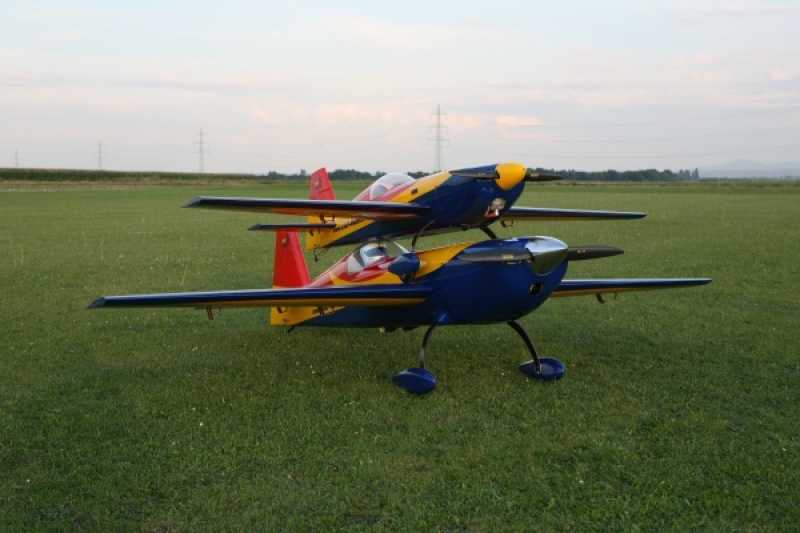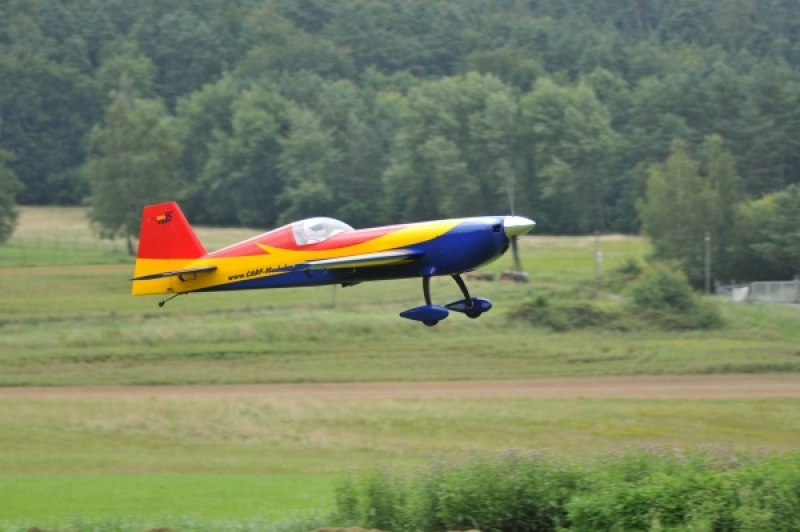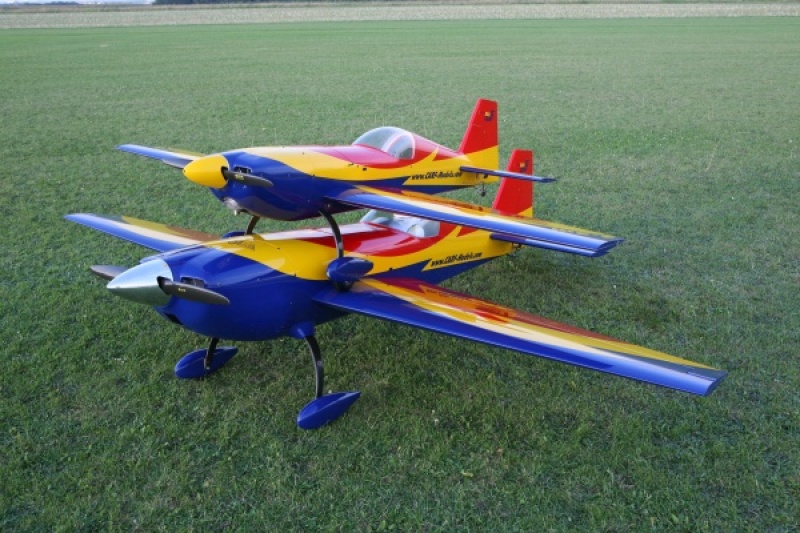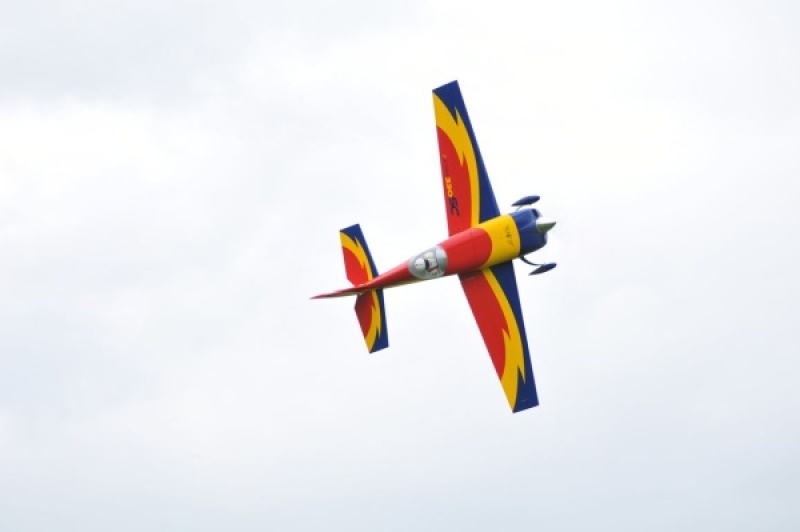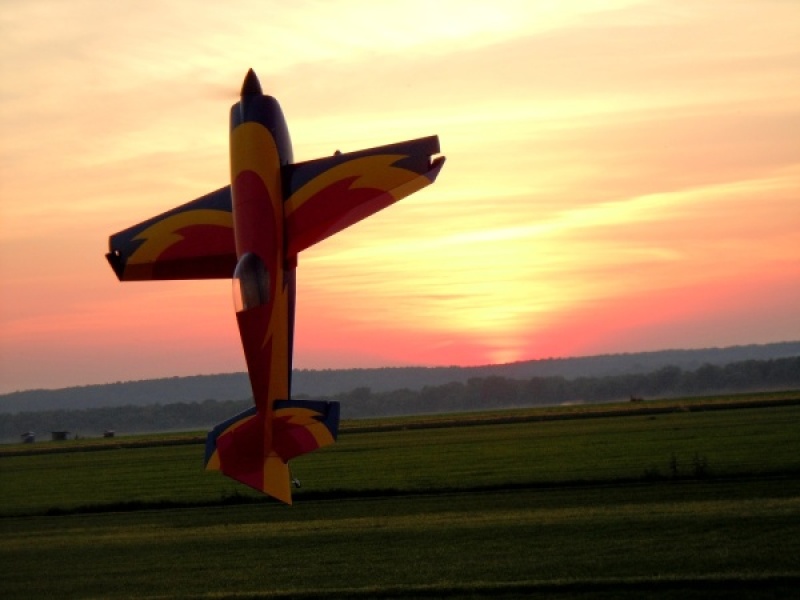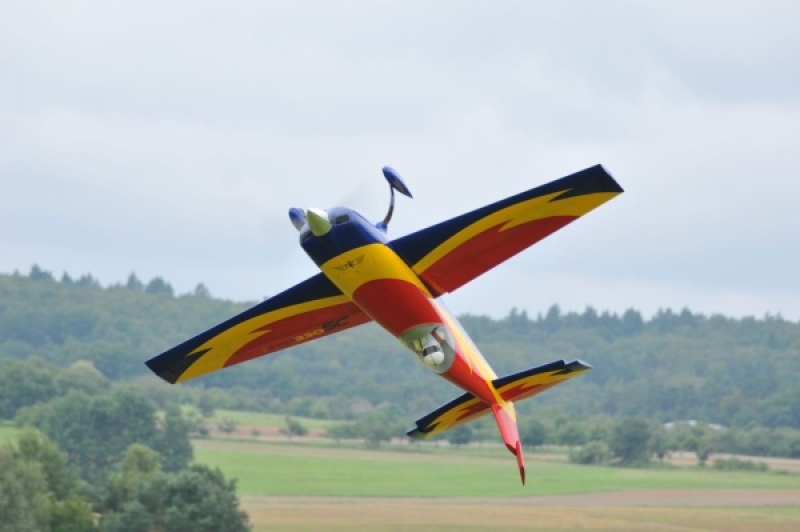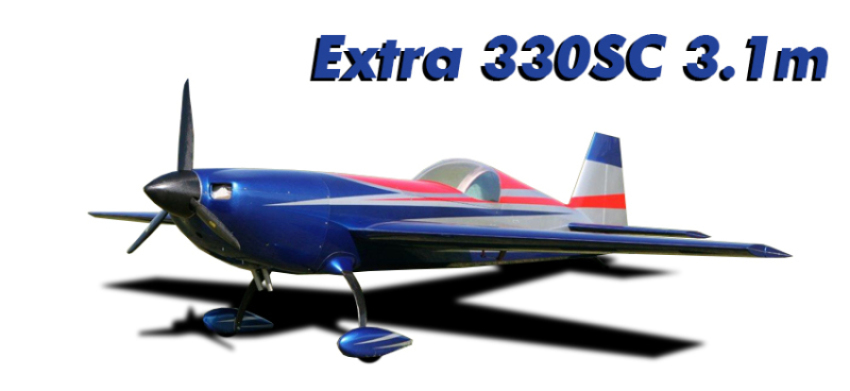
The Extra 330SC is the newest addition to Walter Extra Flugzeugbau's line in Germany. It is based on the very successful Extra 300S and incorporates all the small changes made to the 300S over time, such as a more powerful engine, larger counter-balance surfaces on the elevators and ailerons, and many other small upgrades.
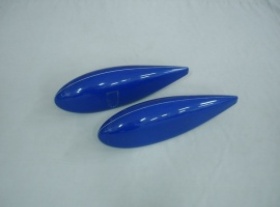
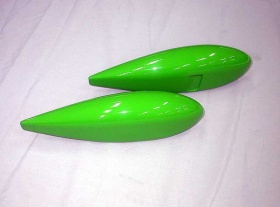
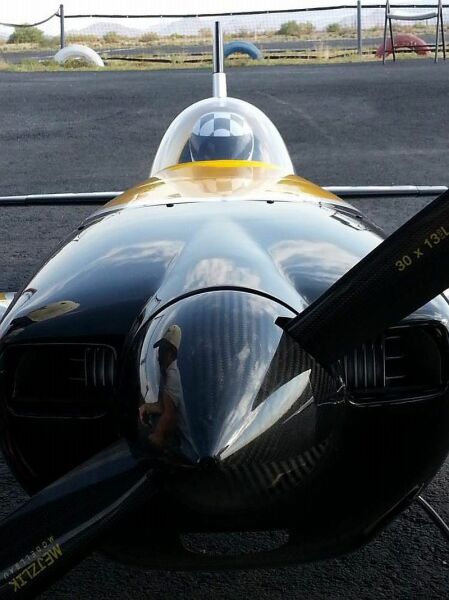
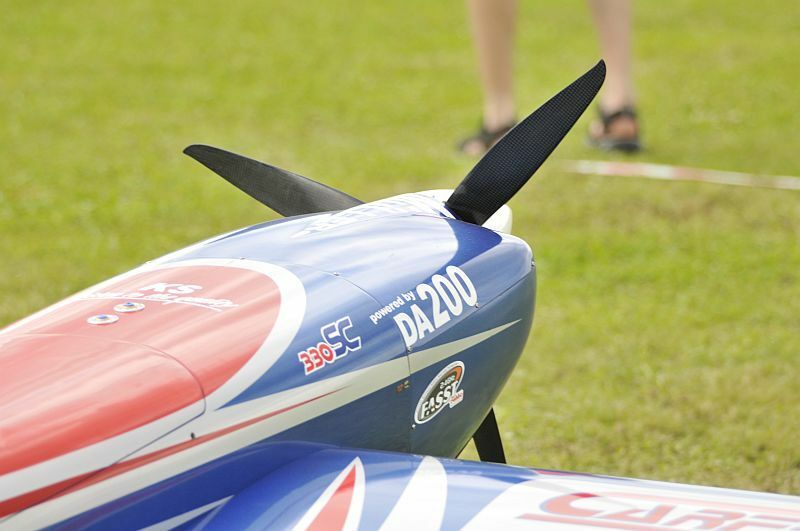
Most significantly, the 330SC has received a new, much more aerodynamic cowling, along with a larger, more pointed spinner. All in all, these modifications have improved the lines of the plane remarkably, but most of all, the performance.
We modelers notice immediately that all the full-size modifications being done to this 330SC will definitely make it a better model airplane, too. The route toward larger control surfaces, greater counterbalances, a more streamlined cowling, and other aerodynamic parts has been marched by us modelers for years, not to mention decades. So, in other words, the 330SC is exactly what we aerobatic pilots have always wanted.
CARF-Models has consequently taken all the above into consideration, and added some of the latest composite production technologies to make this all-new 3.1m Extra the best Extra ever built.
Get hooked. The best Extra of all time just got even better! It will be your dream flagship of the season.

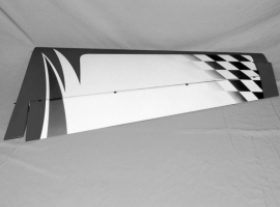
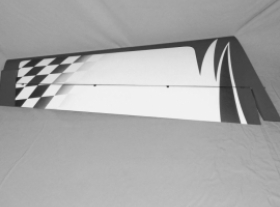
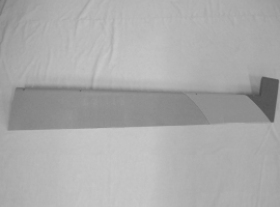
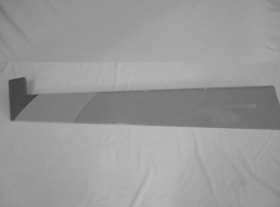
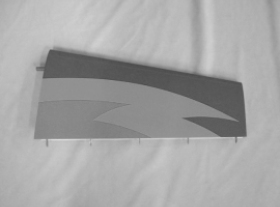
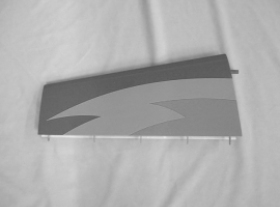
The special feature of the 3.1m Extra 330SC wings is the separate, center-hinged ailerons. They allow higher throws and move with more symmetry than skin-hinged ailerons. Unlike the smaller CARF-Models aerobatic planes, the weight penalty doesn't hurt as much, so the advantages far outweigh the disadvantages on a 3+ meter airplane. But the CARF Extra 330SC features new center-hinged ailerons with counterbalances, and we also redesigned the hinge system so the aileron is much lighter. The long, heavy hinge pin is no longer required, which also eliminates the vibration noise it caused. A new wing geometry will fit better to the 8% stretched fuselage and gives our 330SC true 3.1m (122“) wingspan, making it feel even lighter in 3D maneuvers. Modified wing and stab angles of attack reduce knife-edge mixing to almost zero.


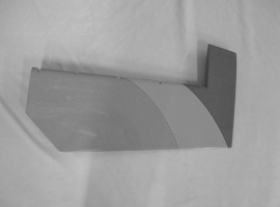
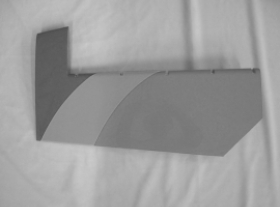
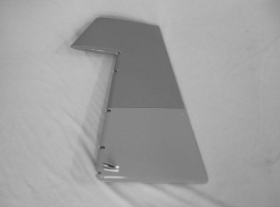
The elevators have received full-size counterbalances. The rudder trailing edge has been widened to a massive 8 mm, creating much better slow-flight and high-alpha characteristics; at the same time, it provides smoother reactions at high speeds without reducing the impressive rudder authority. We prepare each stab and elevator for a possible upgrade to two servos, but install only one set of control horns. The very powerful HV servos today provide sufficient torque and precision. However, if you use a 4-cyl engine, the added weight of a second elevator servo per half will not be a problem.


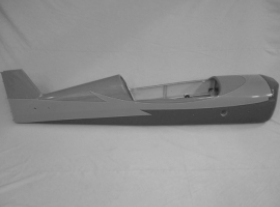
 The fuselage of the CARF Extra 330SC 3.1m has initially been created for our first Extra 330S in 1999, then evolved into the very popular SuperXtra, got stretched once more and structurally redesigned, and resulted in our newest Extra 30SC fuselage with the very short canopy and improved rudder/fin geometry. We paid very close attention to the landing gear mount, which we reinforced and redesigned several times, resulting in our strongest gear mount ever installed in a 40% aerobatic airplane. The fuselage has longitudinal stiffeners along the sides, a crucial reinforcement former in the rudder fin, and an all-carbon-reinforced motordome area. Fuel tank mounts and rudder servo mounts are CNC milled, included but not installed, to give everyone the freedom to install them our way or follow their own preference. There is enough room to install either canisters or full-length pipes, as long as you cut and reinforce a large venting hole in the bottom fuselage to prevent electrical equipment from overheating. Structurally, the fuselage material will handle any muffler heat without damage or fatigue.
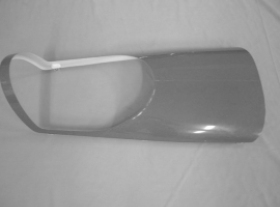
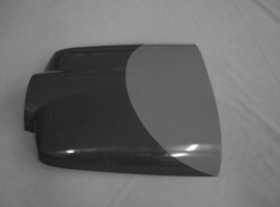
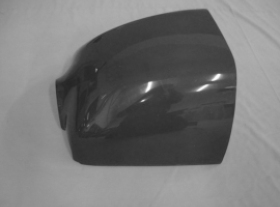
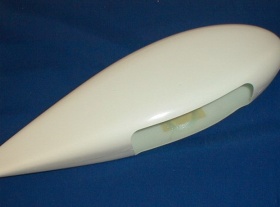
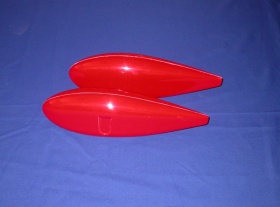
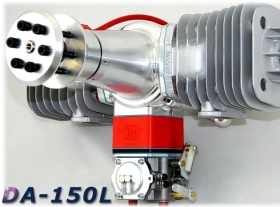
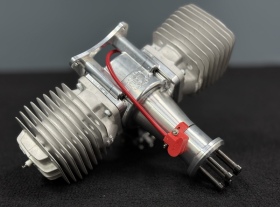
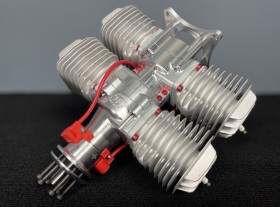
The new style, two-part cowling is large and accommodates any 170 cc twin-cylinder engine, as well as 200-220 cc four-cylinder engines, since the motordome of the fuselage is short enough. An adapter is included to fit the shorter 2-cyl. Engines easily. This adapter lets you mount a 2-cyl engine with long M6 bolts while still anchoring the load in the main firewall. There is plenty of space for all types of headers, so you can install either full-length tuned pipes or canisters. Cylinder-mounted mufflers also have enough room under the cowl. The cowling has the front face perfectly aligned with the spinner backplate, so you can copy the correct thrust lines from this front face. Tested in many airplanes and setups, these thrust lines are right and will not need adjustments during your first trim flights. The two-part design allows the top cowl to be removed without removing the prop and spinner, making it easily accessible for way-forward mounted batteries in case you prefer to fly the plane quite nose heavy with a 2 cyl. engine installed.


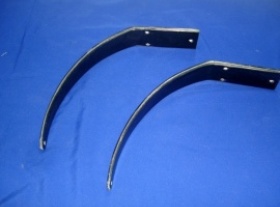
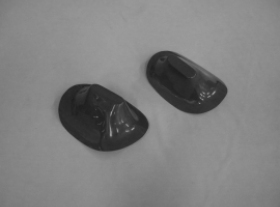
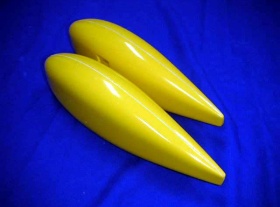
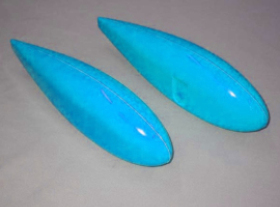
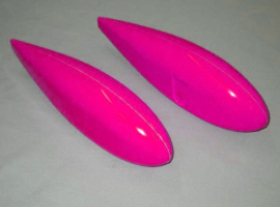
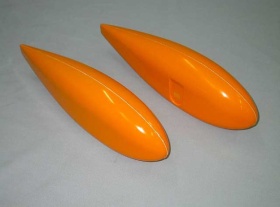
The landing gear comes not only with streamlined wheel pants, but also with production-style gear cuffs to make the appearance more scale-like. The gear leg thickness has been adjusted several times to create the correct "spring dampening" at the anticipated weight of this aircraft, protecting the carbon/plywood mount in the fuselage from damage during less-than-perfect landings or bumpy grass fields. However, they just have the needed stiffness to have the plane sit right on the runway during taxi, take-off, and landing.


Many schemes are available as custom orders; these are schemes we've made before, and you can review them on this website. Some of these schemes have become real "stock schemes," which we try to keep in stock for immediate delivery. Lots of new schemes are coming out continuously, which always give you the chance to own the latest and greatest, but also might allow you to capitalize on a great deal on a discounted older stock scheme. Contact your Sales Rep on stock details and specials or email to info@carf-models.com.


 Intensive discussions with our customers, contest pilots, and team members have revealed that the recipe for success is the combination of two worlds. In one way, it should satisfy the most scrutinizing contest pilot in how it flies, but also look like a full-scale aircraft without silly alterations. On the other hand, it needed to allow, at a defined CG setting, the weirdest and most extreme freestyle maneuvers and, at the same time, with a more conservative CG setting, allow smooth, predictable sequence flying in top-class contests without further modifications.
A canted tail moment and large control surfaces provide the high agility needed for 3D flying. Yet for sequence flying, the tail  moment is just right, too, to track perfectly and still show the break in snaps as the judges want to see it. The ailerons are perfectly sized. They allow incredible roll rates with only two servos, but aren't so large that they prevent precise sequence flying. Due to the fine-tuned airfoil and the little mass in the outer wing areas, the 330SC snaps crisply and stops predictably. The wide rudder trailing edge increases precision and stability in fast flight and smoothness in 3D high alpha maneuvers. Only very little knife-edge coupling needs to be compensated.
The CARF-Models Extra 330SC is a perfect aerobatic machine, giving the contest pilot everything he needs for freestyle and sequence. A strong and rigid model by design and build, lasting many contest seasons if maintained properly. A robust yet precise training tool for all of you who want to become masters of your class. A beautiful machine to run high on emotions and enjoy your hobby like never before.


(3D-Showpilot from Germany)
 Für uns Piloten ist es immer schwierig, das genau passende Modell zu finden. Gerade im Wettbewerbseinsatz ist es wichtig, den Flieger und sein Verhalten bis ins letzte Detail zu kennen. Wie so oft, gilt auch hier „Training macht den Meister“. Für mich ist somit von hoher Bedeutung, dass der Flieger universell einsetzbar ist, um mich vollkommen auf ihn einschießen zu können. Universell bedeutet an dieser Stelle, einen präzisen Programmflug mit knackigem Snap-Verhalten und gleichzeitig wahnsinnige 3D-Manöver im Freestyle zu ermöglichen. Letzteres setzt natürlich ebenfalls eine extrem hohe Rollrate voraus.
 |
122" (3100 mm) |
|
|
112" (2850 mm) |
|
|
39 - 42 Lbs (18 - 19.5 kg) dry |
|
|
150 - 220 cc |
|
|
9-11 high power digital servos |