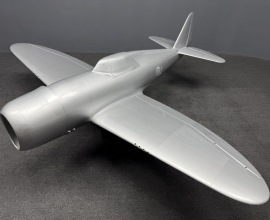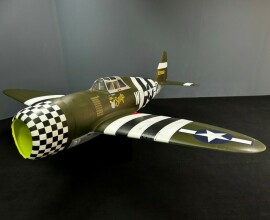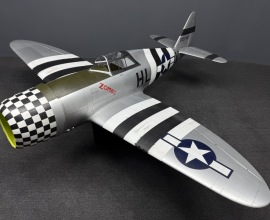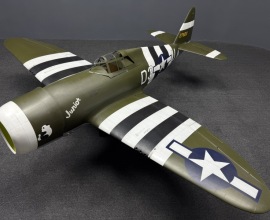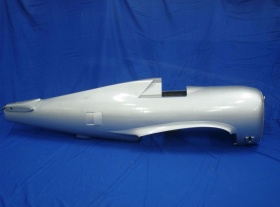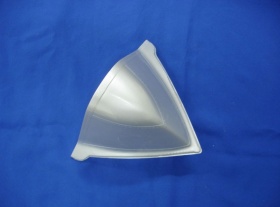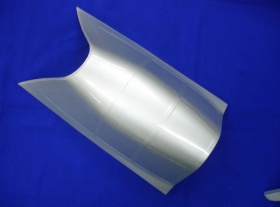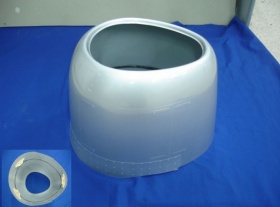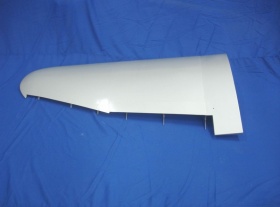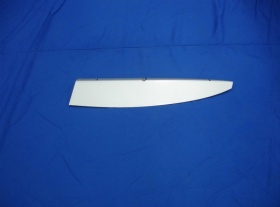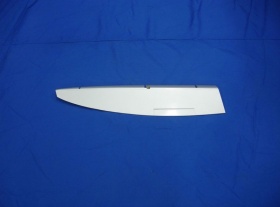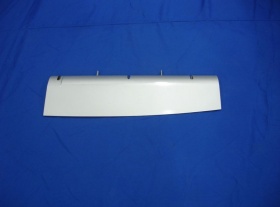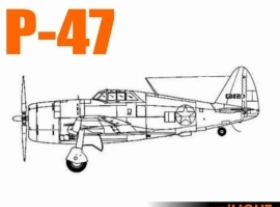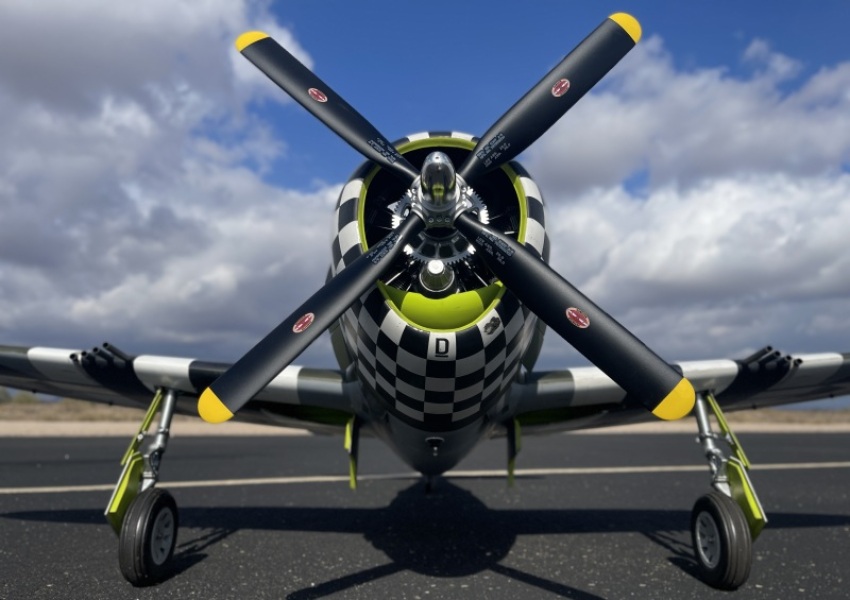


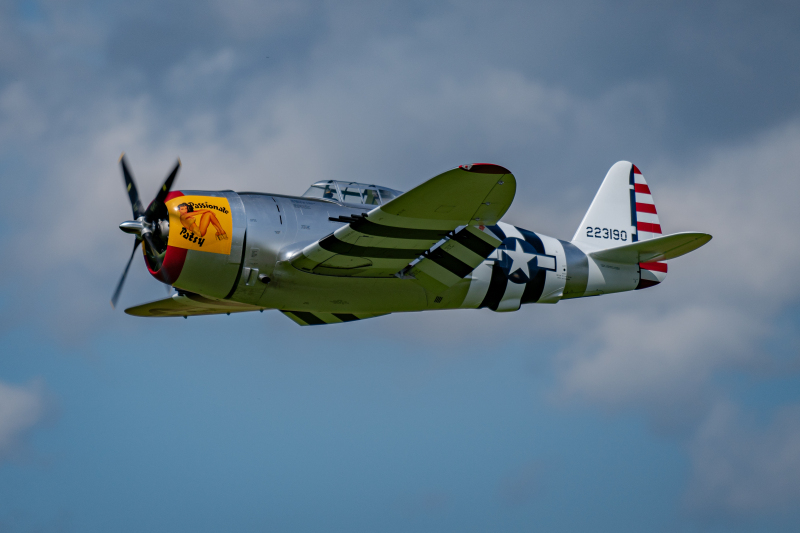
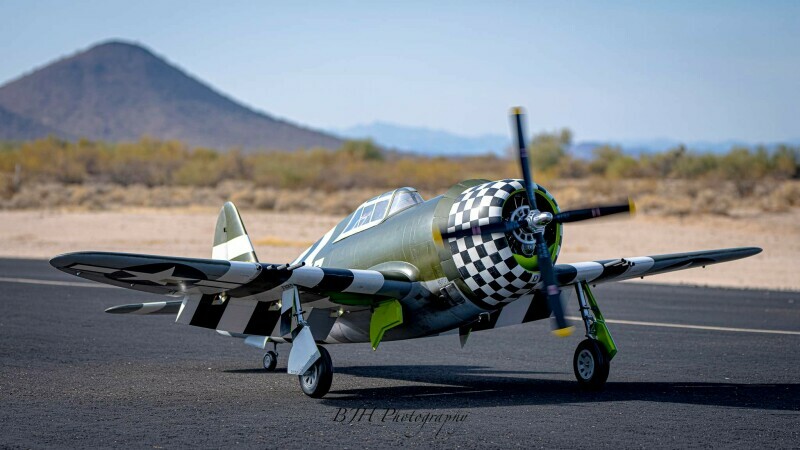
Two versions of the P-47 Thunderbolt are very popular. One is the bubble-canopy version, developed in the later days of the 2nd World War to give the pilot a better all-around view. But the real, characteristic Thunderbolt, built by the thousands and seen all over Europe during the war, was the so-called “Razorback”. In homage to this historic aircraft, CARF Models has reproduced the P-47D “Razorback".
We started with thorough research and a precise CAD design, bringing several drawings and plenty of photos into a single authentic creation of lines and shapes. We sized it around the Moki 250 radial engine, always keeping in mind to stay safely below 25 kg flying weight. This resulted in a 280 cm wingspan, a 1:4.5 scale, and an overall weight of 22-24 kg, depending on the equipment used and the detail added.
Initially, due to the aircraft's complexity and our experience with the F4U-1D Corsair, we will offer our P-47 only as an ARF. All parts are composite, with a silver surface, panel lines, and rivets molded in.
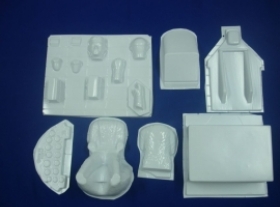
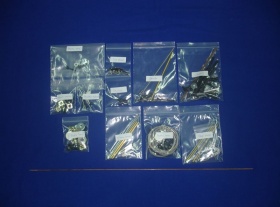
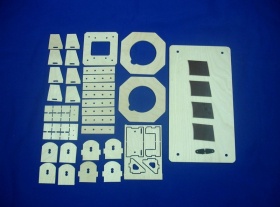
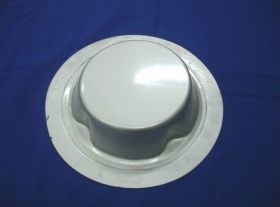
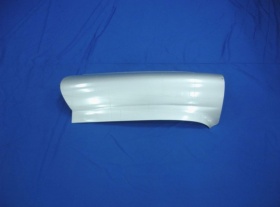
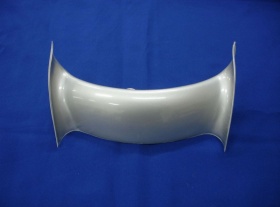
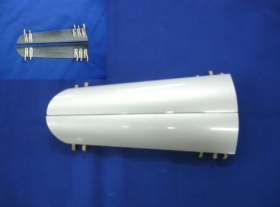
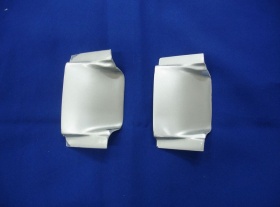
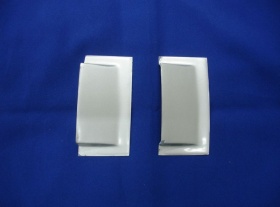
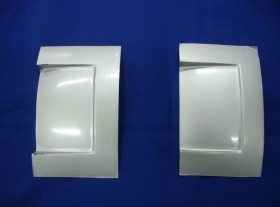
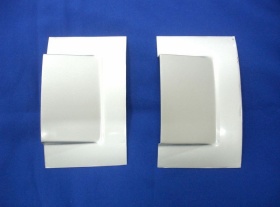
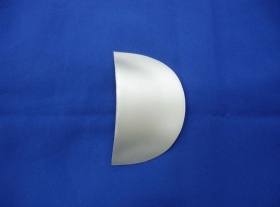
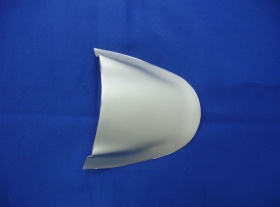
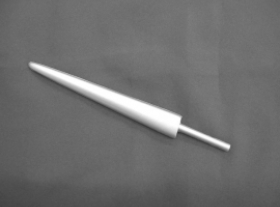
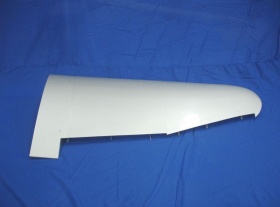
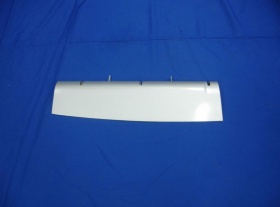
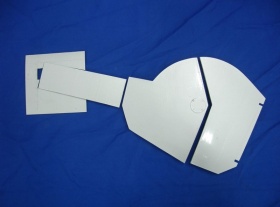
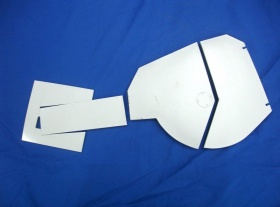
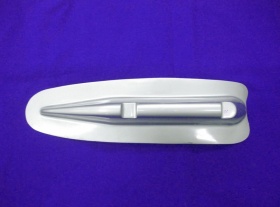
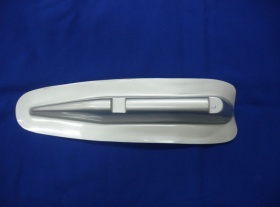
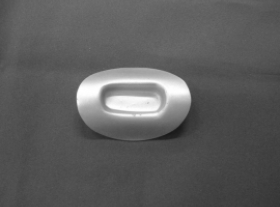
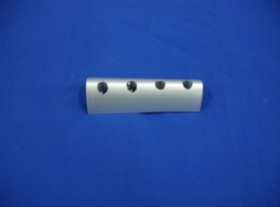
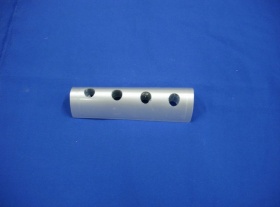
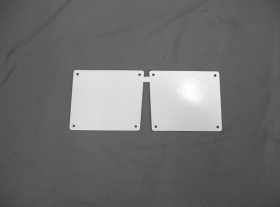
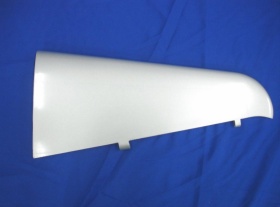
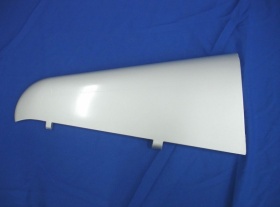
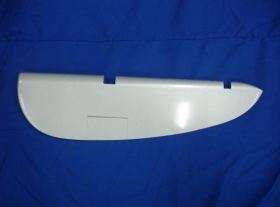
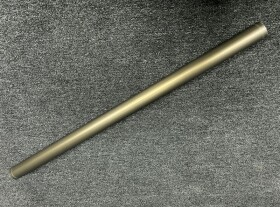
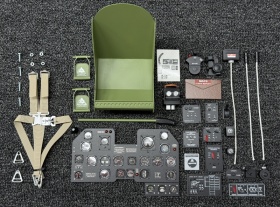
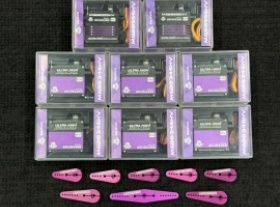
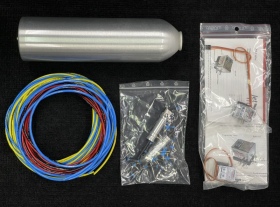
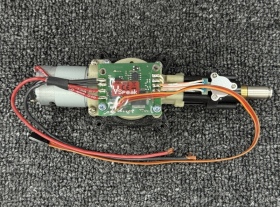
Basically, all composite parts are prefabricated to the highest possible level. You only need to install servos and linkages to the already installed control horns, then bolt on your engine. Let's show you the contents of the ARF version, which will take your breath away.
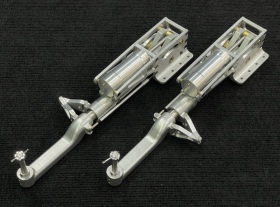
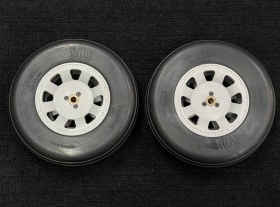
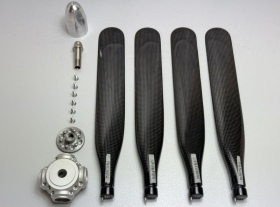
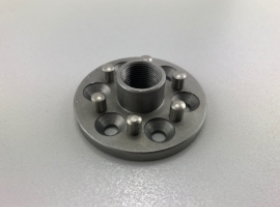
A scale landing gear with pneumatic extending main struts, compression link for shortening during retraction, and a steerable scale tail gear is available, as well as the almost scale-sized, absolutely impressive 4-blade prop with our alu hub and 30” carbon blades.
 Long before “super-sizing” became synonymous with American culture, Republic Aircraft unveiled the P-47 Thunderbolt. An Alexander Kartveli design, the P-47 was the largest single-seat fighter aircraft of WWII. With eight .50 caliber machine guns and provisions for bombs, rockets, and drop tanks, the fully loaded Thunderbolt could weigh as much as 8 tons!
Although the obvious lineage to previous Kartveli designs, the P-35 and P-43, is apparent, the P-47 was a completely new and much larger aircraft built to accommodate the most powerful piston engine at the time, the Pratt and Whitney R-2800 radial. In typical Kartveli fashion, form followed function as the engine’s turbo-supercharger was buried in the belly of the beast, creating its characteristic profile.
It is said the Thunderbolt was nicknamed “the Jug” by the British, who considered the shape of the fuselage to be similar to the glass milk “jugs” of the time, or because, upon first glance, someone declared the ungainly fighter to be a “Juggernaut!” Whatever the origin, the name “Jug” is still used today to refer to the P-47.
First deployed as a long-range escort fighter, the P-47 really came into its own when it transitioned to ground attack, amassing an incredible obituary of Axis vehicles: In addition to bringing down 3,916 enemy aircraft, the Thunderbolt destroyed 6,000 tanks, 9,000 locomotives, 68,000 trucks, and 86,000 rail wagons in 746,000 sorties of all types. In Europe, Thunderbolts flew more sorties than P-51s, P-38s, and P-40s combined. In the Pacific, Colonel Neel E. Kearby of the Fifth Air Force destroyed 22 Japanese aircraft and was awarded the Medal of Honor for an action in which he and his Thunderbolt downed six enemy fighters on a single mission.
By the end of WWII, the 56th Fighter Group was the only 8th Air Force unit still flying the P- 47, preferring it to the more modern P-51. The 56th claimed 665.5 air victories and 311 ground kills, losing 128 aircraft in the process. Lieutenant Colonel Francis S. Gabreski scored 31 victories, including three ground kills; Captain Bob Johnson scored 27 (with one unconfirmed probable, giving his tally as 28); and 56th FG Commanding Officer Colonel Hubert Zemke scored 17.75 kills. Despite being the sole remaining P-47 group in the 8th Air Force, the 56th remained its top-scoring group in aerial victories throughout the war – quite a testament to the deadly effectiveness of the P-47.


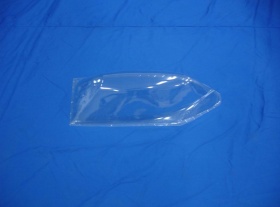
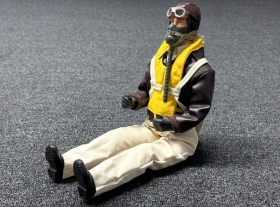
The fuselage is ready to build, with wing mounts installed, the firewall installed, the cowling mounted, and all mounting provisions completed to install the Moki and its equipment. Even the engine dome is provided with the exact mounting position and angles. The rudder servo mount, fuel tank mount, and equipment tray are built in or ready to bolt on. Canopy frames are also molded in two-part molds and reinforced with a 3D frame, allowing the scale sliding canopy mechanism to be installed (optional). A vacuum-formed cockpit kit is also included, which you can further detail and refine to your liking.


The wings are the real masterpiece of this P-47. Especially the flap system. Install the various components of this 100% scale flap-hinging system before joining the wing mold halves. The system's complexity is evident in an impressive scale flap mechanism similar to a Fowler system, which extends wing area and lift, as well as drag. Ready to install flap servos. The ailerons are hinged in a scale manner, allowing partial balancing, and because the hinge line is outside the wing surface, the control horn and linkage can be fully hidden, too.


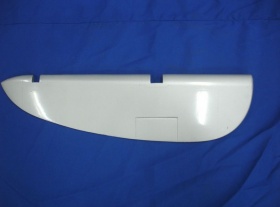
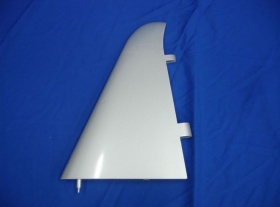
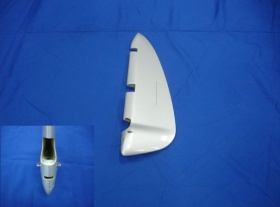
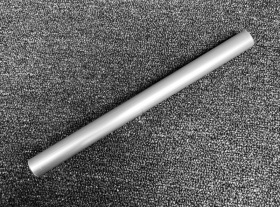
The tail gear mount is glued in, the tail gear door is cut out and hinged, and the stab and fin mounts are installed and aligned. The tail control surfaces are hinged, the rudder control horns are glued in, and a hidden elevator torsion linkage is built and ready to install. Even the bolts to secure it to the fuselage and to attach the elevators to the torsion linkage are preinstalled.


 The wing is precisely prefabricated to accommodate a specially designed scale landing gear without modification. The gear mount is made from strong aircraft-grade plywood and carbon plates, which will even withstand some serious abuse without damaging the internal wing structure. The gear doors are scaled in shape and surface, made in two-part molds, with structured inner surfaces as well. They are readily hinged, and attachment points to the gear are prepared.
The CARF-P-47 retracts are as sophisticated as the whole airplane. Sierra Giant Scale designed them in collaboration with CARF to fit our plane specifically. The scale strut not only retracts but also compresses during retraction, so the full-scale length is available when extended, and the compression during retraction allows the scale strut and wheel bay to fit within the wing.
To compress the strut all the way, the oleo must be partially an air piston, where pressure is released when the gear is cycled. As a side effect, once the radio is switched off, the plane sinks into the struts just like the real one, where fading hydraulic pressure made it sit low when the engine and hydraulic systems were switched off. A scale gimmick, as extraordinary as the whole plane.
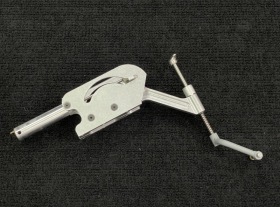
Against the scale mains, the tail gear seems quite regular and unexciting. Working flawlessly and reliably. The lightweight design keeps the tail light, so that no additional nose weight is required, even with a lighter engine.


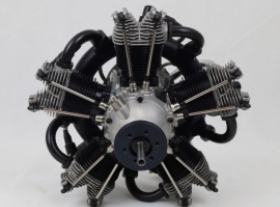
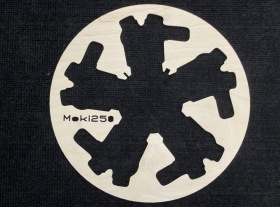
 The engine of choice is undoubtedly the Moki 250 Radial. This kit includes a perfectly matching engine dome. Attachment positions are predrilled not only for the engine itself but also for accessories such as the ignition, throttle servo, and exhaust stacks. The thrust line is set in the motor dome, anticipating that the Moki 250 and the CARF 4-bladed 30” prop will be used. For this engine choice, the kit includes a specific equipment tray, allowing the equipment to be installed farther toward the tail of the airplane without requiring a balance weight. The more economical option would be to use 100-120 cc flat-twin or inline-twin engines. A huge array of engines is available on the market, but we’d recommend the DA-120 and the DA-120R. Both engines will fit and will power this airplane with authority, even though they would not spin the 30” CARF scale 4-blade prop. A different, but also included, equipment tray will be used to place the equipment as far forward as possible, so that, here, too, no additional balance weight is required for the optimum C of G.


This is an example of what your plane can look like after you finish the build process.


Its real qualities, the CARF P-47 Thunderbolt, will show in the air. What a powerful and monumental appearance. This airplane looks absolutely like the real thing in the air. It is extremely stable, yet versatile and maneuverable. The wide speed range and the absolutely smooth stall characteristics make it a pleasure to fly. The ground handling is very good, too. This is due to the wide gear track and the long fuselage. Even though a tail dragger, it even is very manageable on tarmac runways, too.

 As you will see, it is almost impossible to put more prefabrication and performance into a warbird than we managed to do with our P-47. This plane will set the industry standard for design, prefabrication, and flight performance. It’s the new flagship of the CARF warbird line, our pride and joy.
We chose the zero-compromise approach. This ARF version is truly ARF and leaves no guesswork. However, this does affect the price, and we hope we made the right decision by carrying the meaning of “ARF” all the way to the end. Please accept our approach and appreciate the enormous value your money will buy you when you purchase this airplane.






 |
110" (2800 mm) |
|
|
90" (2300 mm) |
|
|
48 - 53 Lbs (22 - 24 kg) dry |
|
|
80 - 150 cc 2 stroke / 250 cc 4 stroke radial |
|
|
8-10 middle to high class servos |