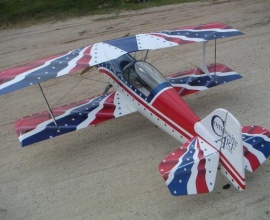
 A dream comes true!
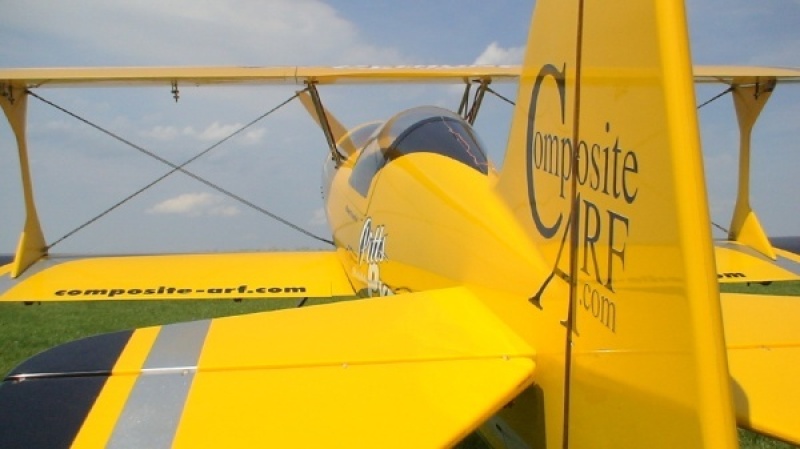
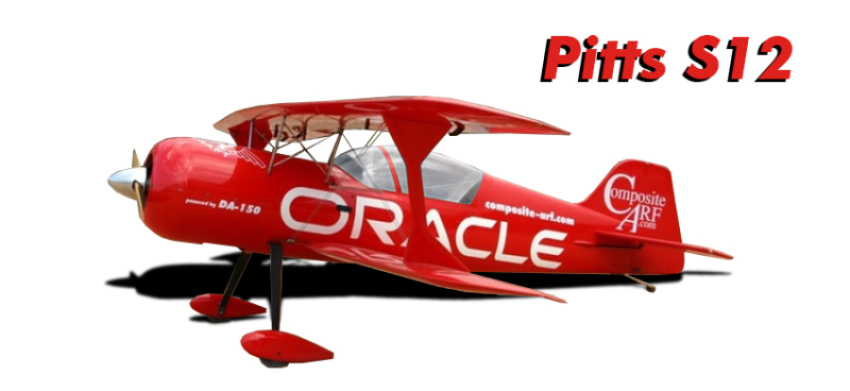
The CARF-Models Pitts S12 – the first full composite kit of a biplane. This project required serious engineering work to bring to life. The result is amazing. By purchasing the CARF-Models Pitts, you get the same grade of prefabrication you already know from our other kits. There is no fighting with details. All the hard work is already done. All alignments are checked. Just put your engine and RC in the plane and fly!
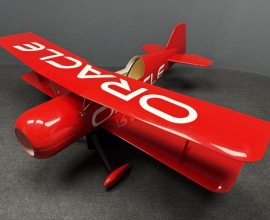
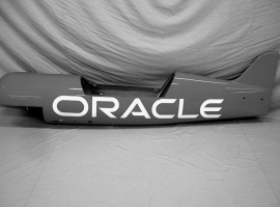
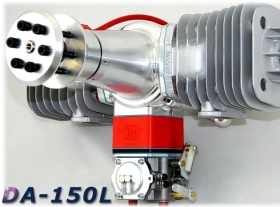
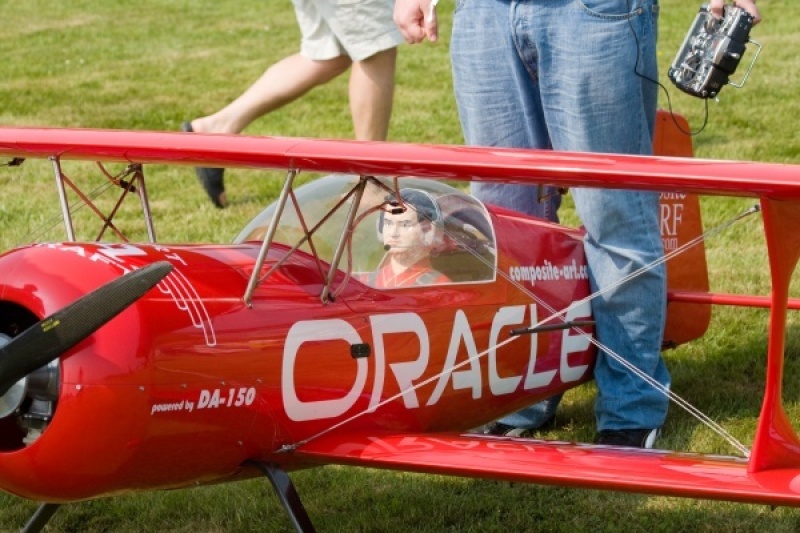
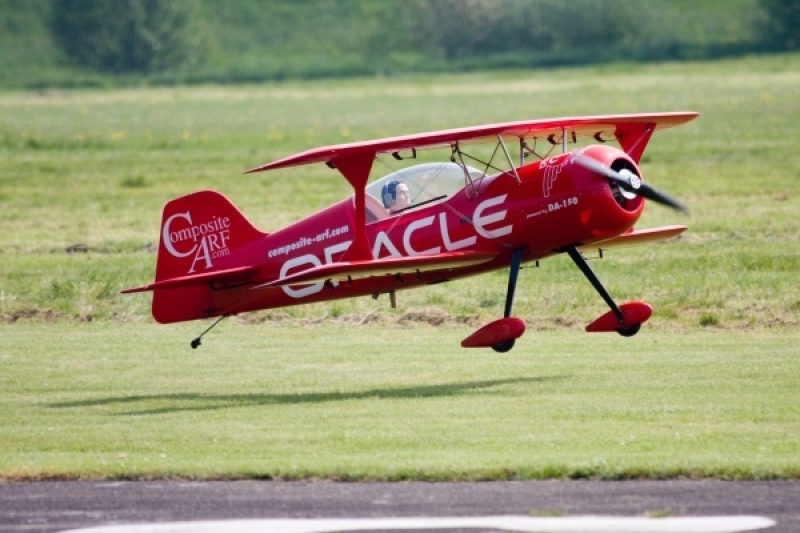
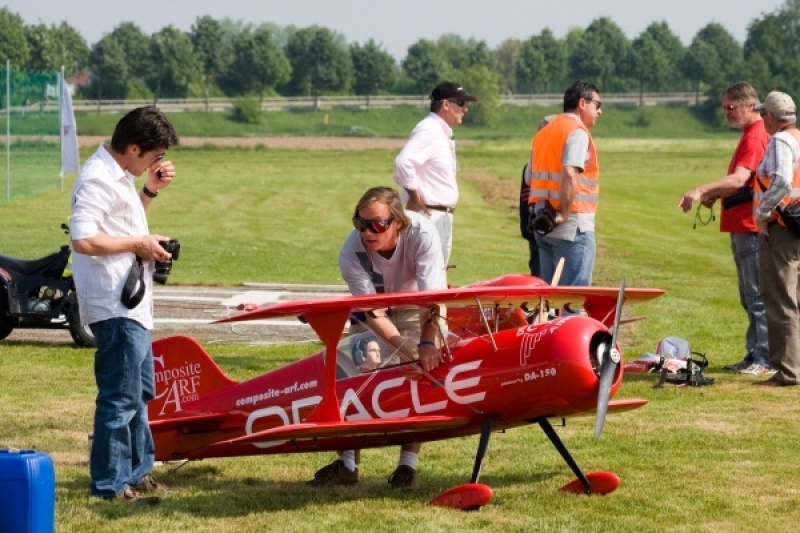
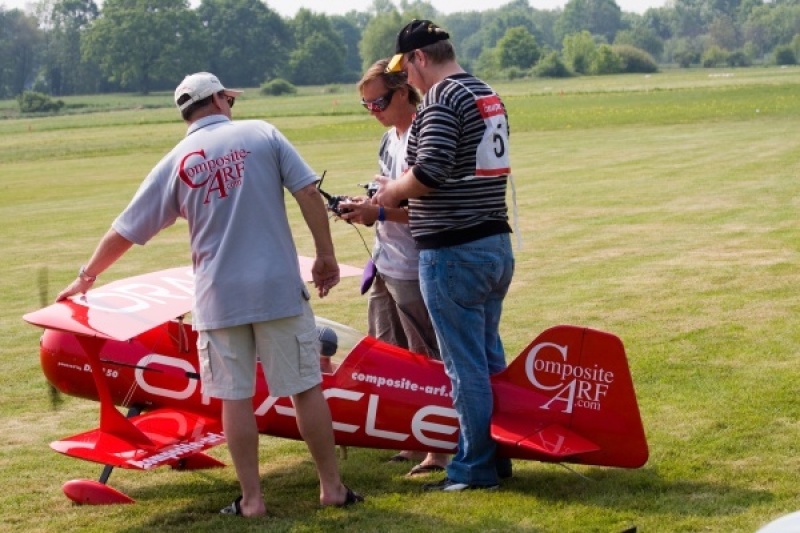
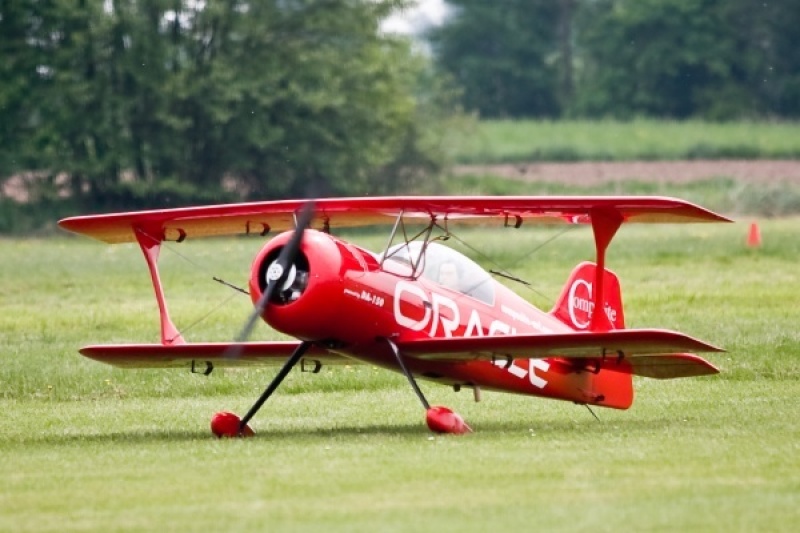
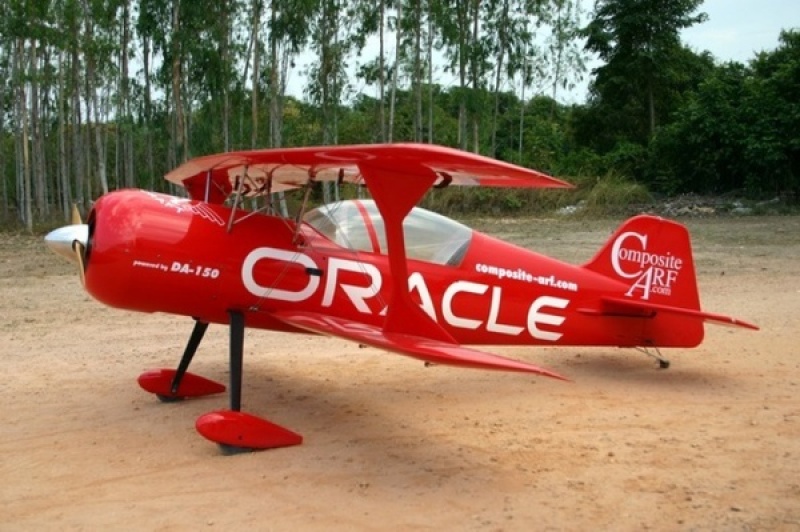
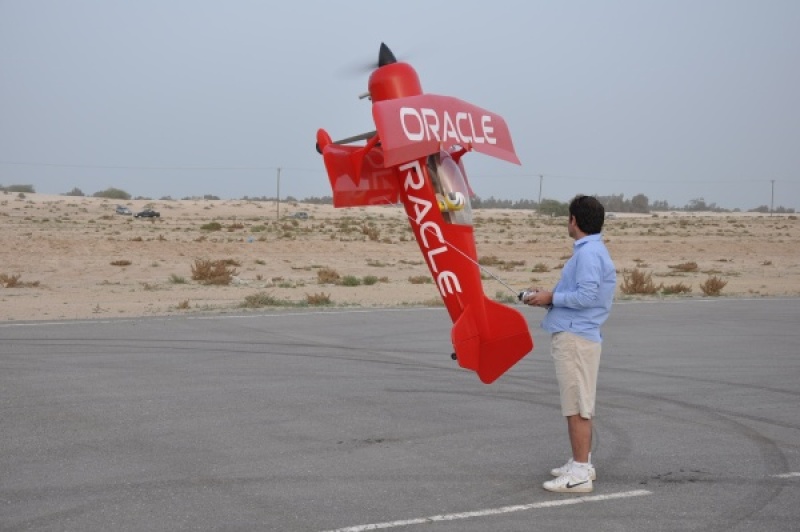
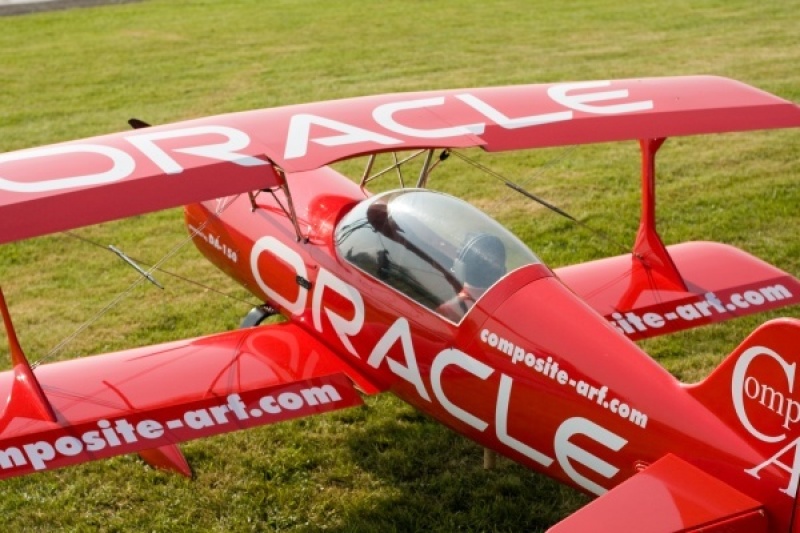
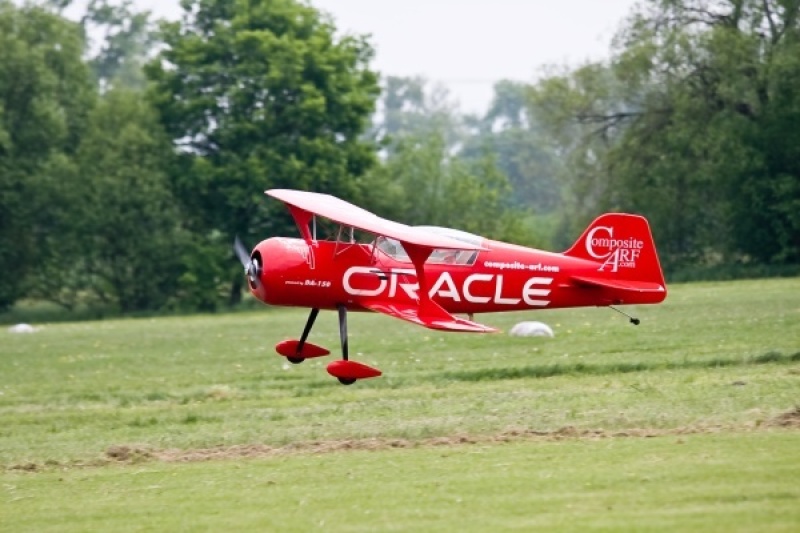
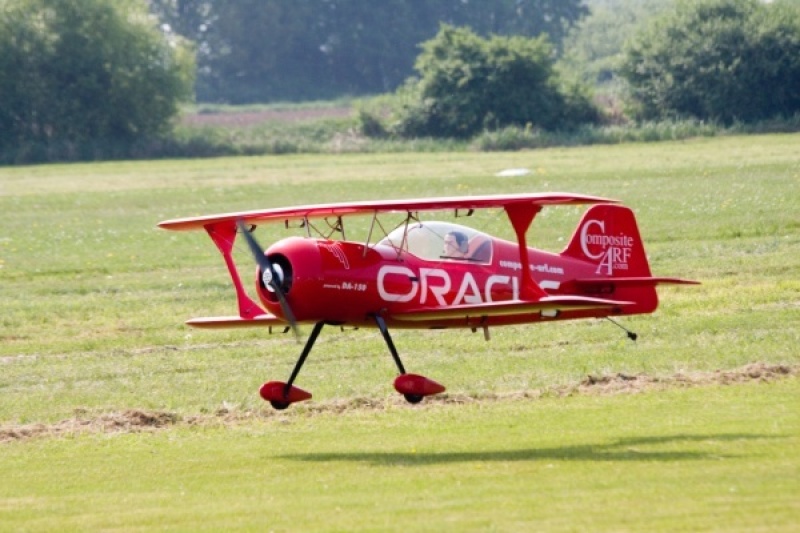
We hear that again and again: "A full composite biplane can only be heavy!" Well, every time we fly the still-existing prototype in the red "Oracle"-scheme, we smile a bit at that assumption. Even with a very used DA-150 on pipes, the performance is amazing! And there will definitely be no problem with the CG if you follow a few tips, all mentioned in the state-of-the-art instruction manual.
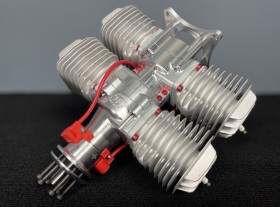
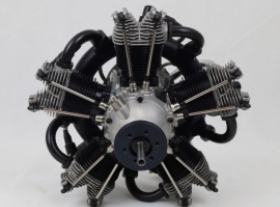
But an old 150 twin is not the only engine choice. While the Pitts' flying characteristics can even compete with contest-proven monoplanes, its favorite job is a big airshow. You want to make this impressive plane even more impressive? Put a 4-cylinder in it and hide it behind smoke down on the deck. You want to be more scale? No problem. The popular Moki 250 radial four-stroke fits perfectly under the cowling and delivers enough power for all kinds of scale aerobatics.
Let's give you a taste of all that amazing details, realized in this giant project:
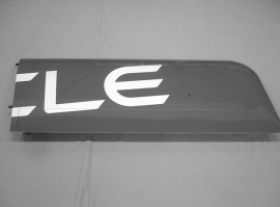
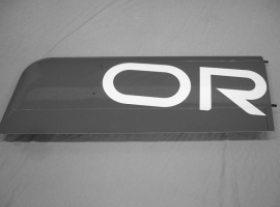
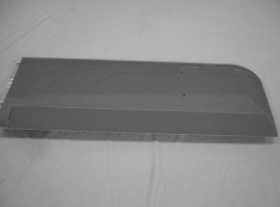
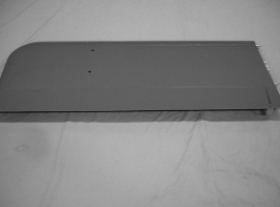
 Let's take a closer look at the wings first. Have you ever heard of the "TAVS" technology developed by CARF-Models? Well, it stands for "Total Area Vacuum Sandwich," making the wings so strong and stiff that no wooden or foam-sandwich plane can compete. A rib and spare structure inside the wing is already prepared for the aluminum spar tube and all the servos. It's made from high-quality balsa and plywood, and, where necessary, it is coated with fiberglass or carbon.
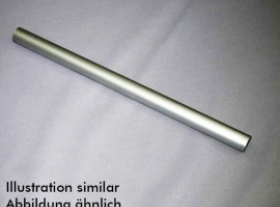
It was a real challenge to build the wings light while keeping them strong enough. Like on our monoplanes, everything is prepared; all the alignment work is done. We already took care of all the details, which are difficult to realize. And actually, there is a lot more to do than on a monoplane. The center part of the upper wing connects to the cabane struts and can stay in place during transport for most purposes. The rest connects with 30mm aluminum alloy tubes and is secured with bolts and anti-rotation pins. The outer struts are full composite parts, strengthened with aluminum inserts that also serve as connectors for the flying wires. They easily fit into pockets already prepared in the wings.
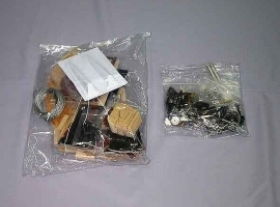
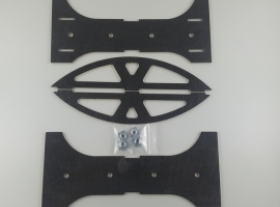
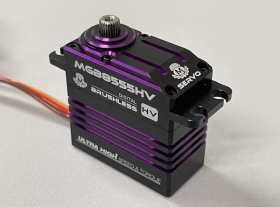
All ailerons are connected with elastic hinges. Use 2 high-power digital servos for each aileron, at least JR 8411 or stronger. The servos are easy to install with the CNC-milled frames. As always, mounts for JR or Futaba servos are included.


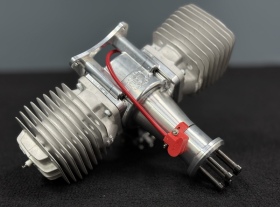
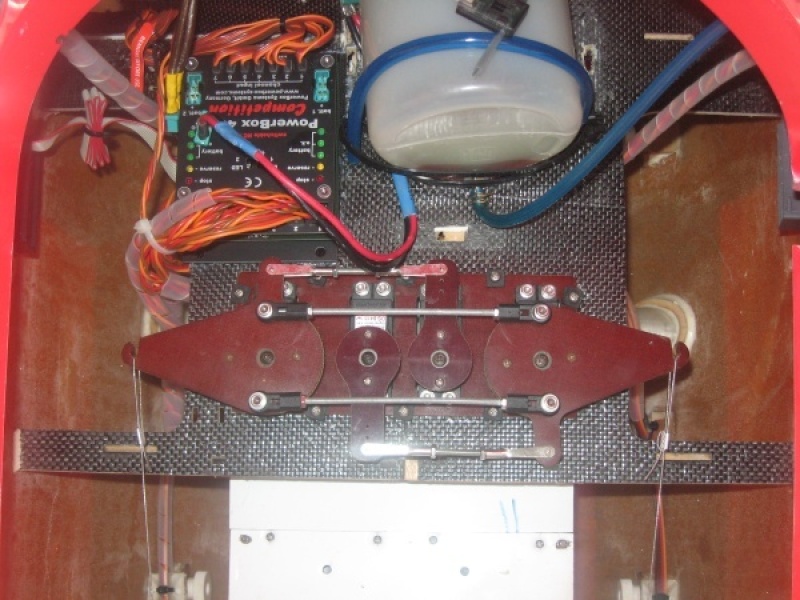
If you are using a light two-cylinder engine from 150-170cc, you should move the 4 elevator servos to the front. We used carbon tubes as pushrods, and the manual shows all the details. If you choose a much heavier 4-cylinder or radial engine, you can install the servos in the tail.


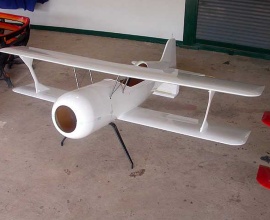
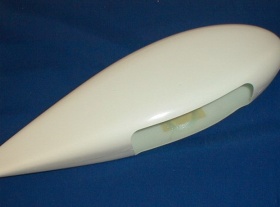
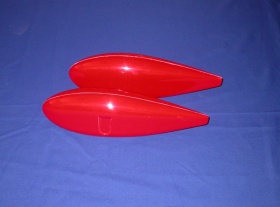
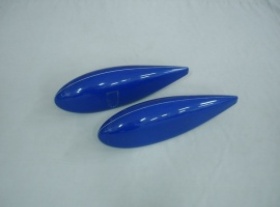
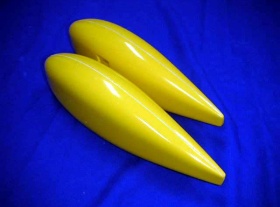
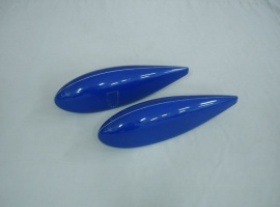
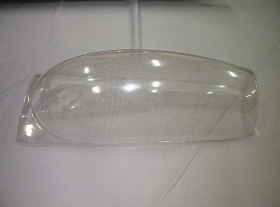
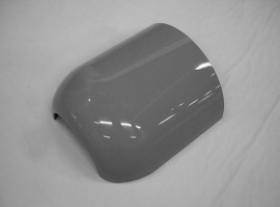
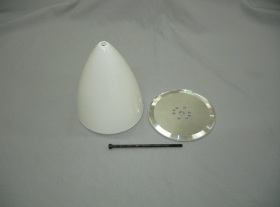
The cowling is large enough for any two- or four-cylinder engine in the 150 to 220 cc range. A radial engine like the Moki 250cc is also a great choice. The dome is long enough for a 150 and must be cut if you choose a four-cylinder.


 Compared to other popular biplane designs, the Pitts S12 features a long tail and a big wingspan. This is why the Pitts "behaves" really well, even for a biplane! It flies straight, it snaps as it should, and it can beat any wind. It definitely doesn't fly like a blimp.
Like every other biplane, the Pitts S12 is great for all the crazy knife-edge stuff. The large fuselage side area provides the lift, while the two wings make it stable. It never gets boring to fly!
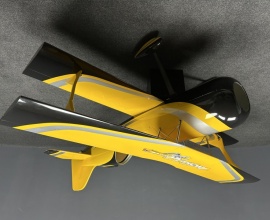
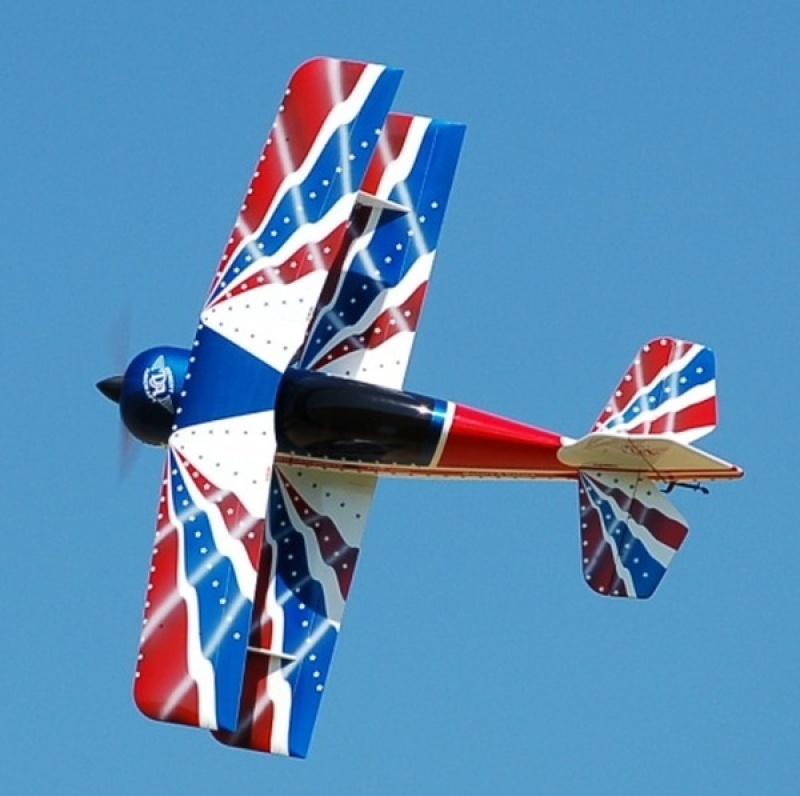
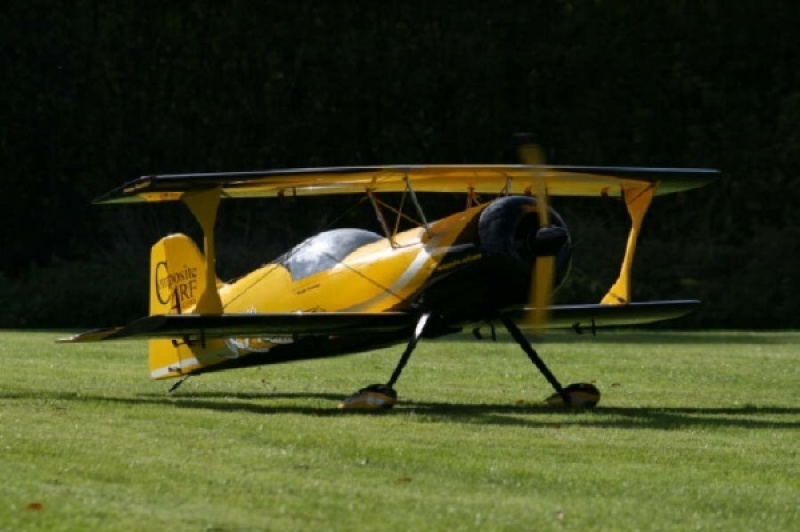
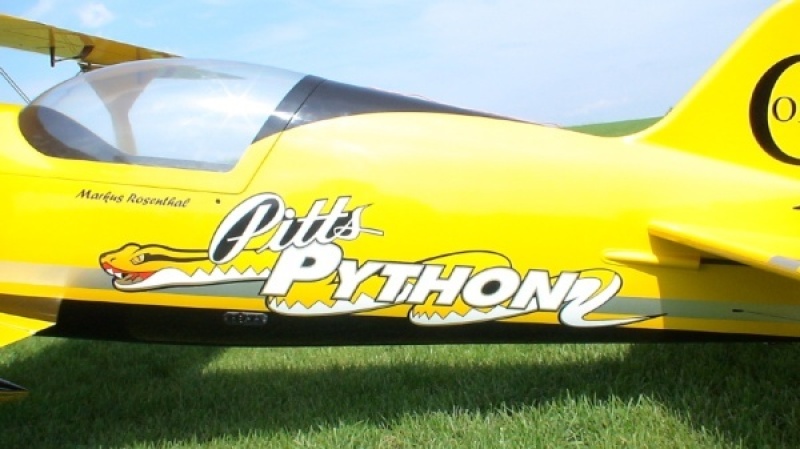
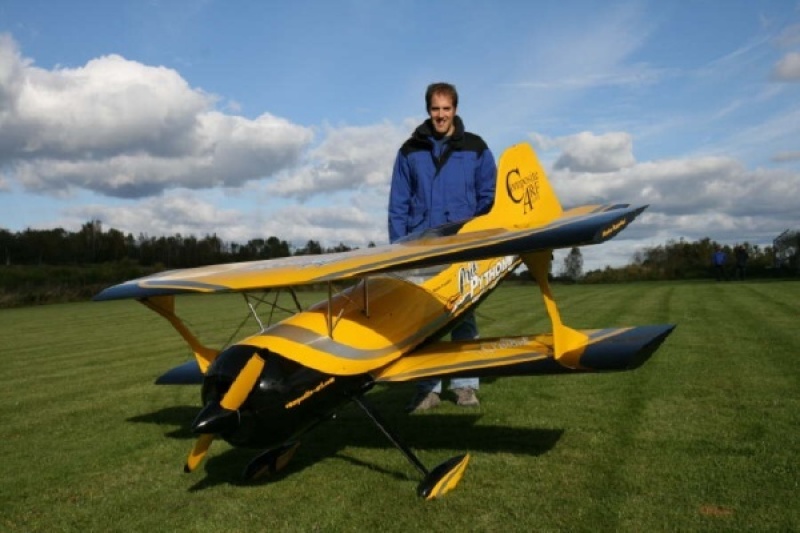
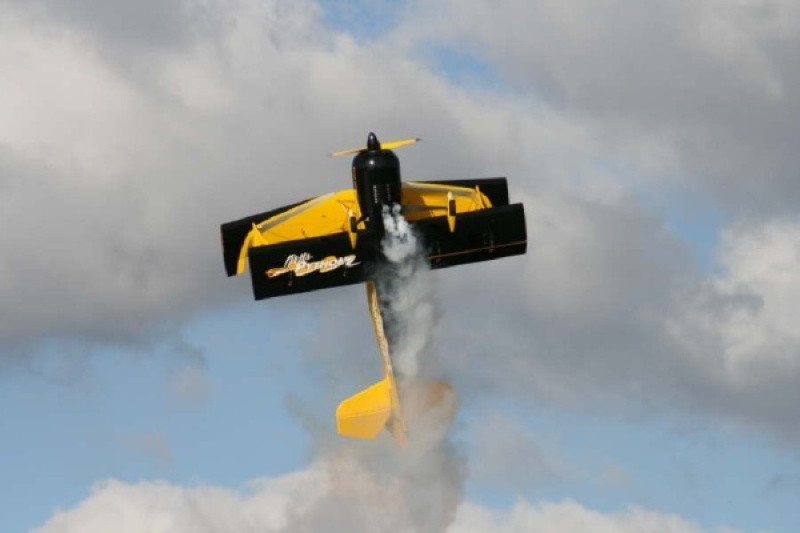
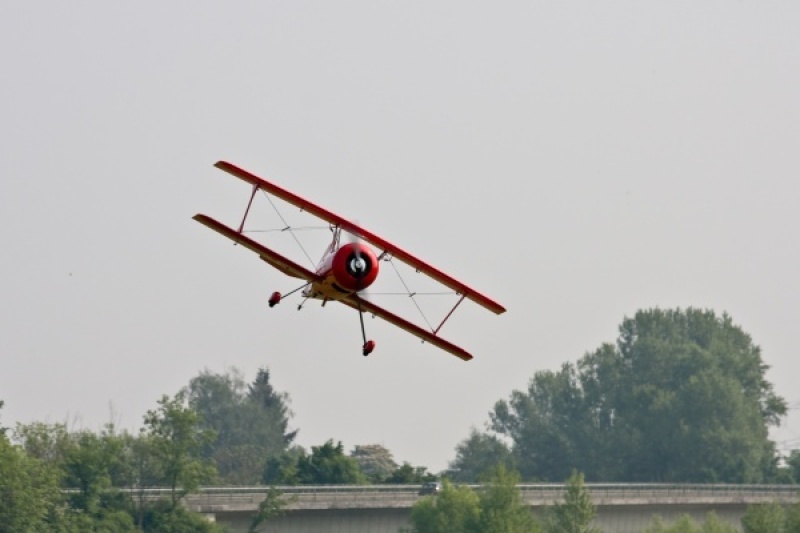
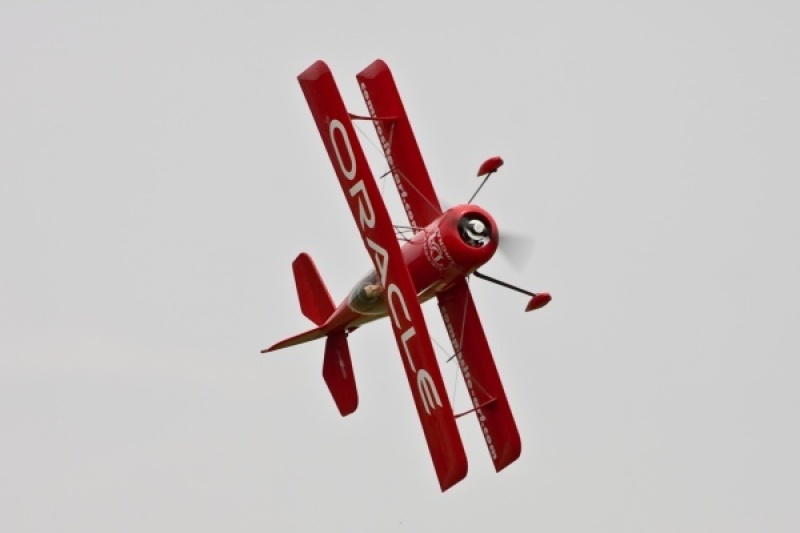
The Pitts S12, especially in the clipped-wing "Python" version shown here, can do some of the fastest torque rolls ever seen. The ailerons are still highly effective in high-alpha maneuvers, so you can choose whether to use them with or against the torque. From slow to fast, the Pitts can do everything!


Besides that, the Pitts can do all the stuff that made biplanes so popular. Crazy spins, great and amazingly slow knife-edges, and harriers stable as driving a truck. All that, combined with the impressive appearance of this Giant in the air, lets you be the star of every show.
The CARF Models Pitts S12 – the biplane done right, finally!
Joe Nall 2019 - CARF Pitts Python
|
|
|