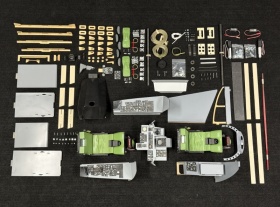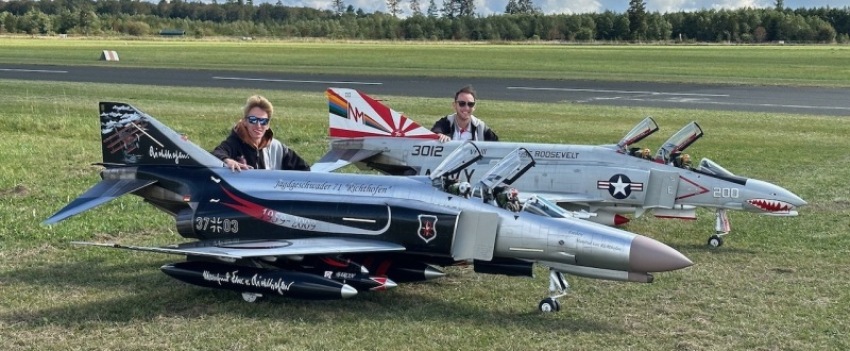
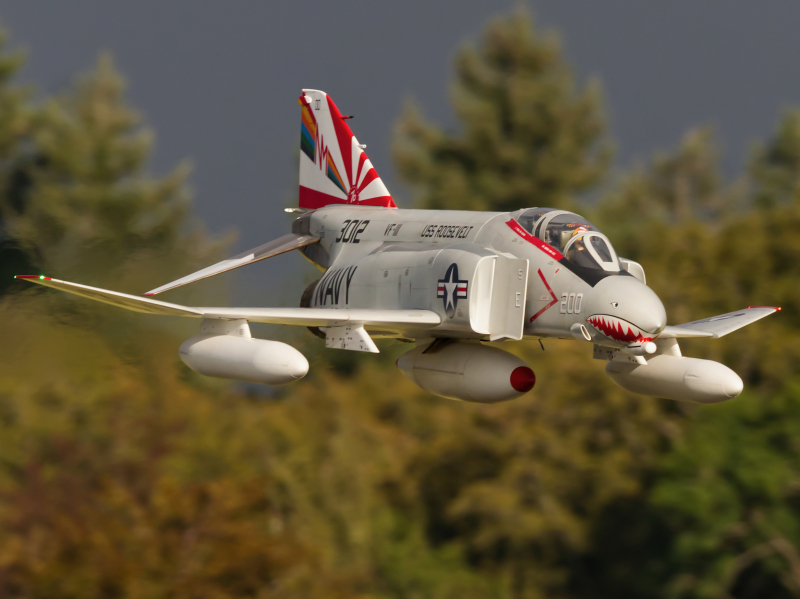
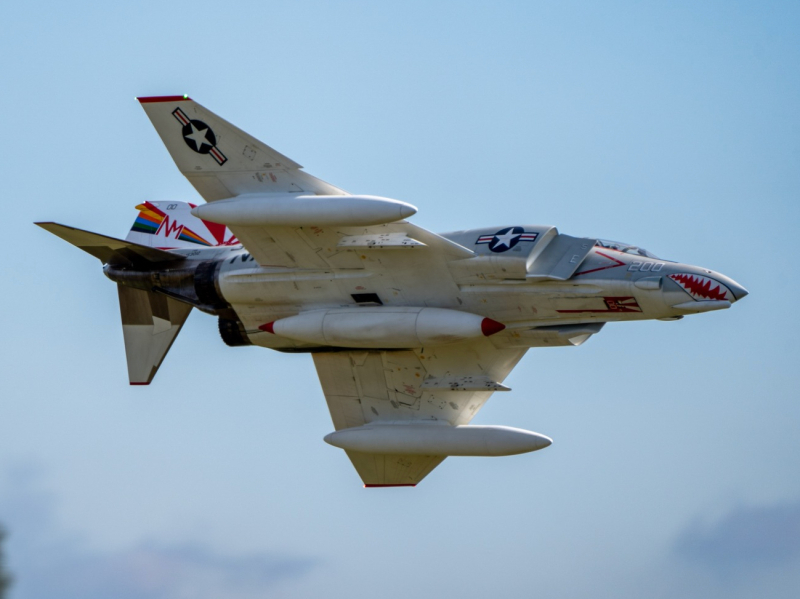
The CARF-Models F4 Phantom II is a 1:4.5 scale, extremely detailed replica of the iconic McDonnell Douglas F-4 Phantom fighter jet with a wing span of 264 cm and a dry weight of <37-40 kg (81-88 lb). It's an exhaustively detailed all-composite construction. Even though the base model is painted white or silver in the molds, it can be ordered individually in any scale scheme you have in mind. The F-4 Phantom is the most detailed and largest-scale jet of this century and, undoubtedly, the best achievement of the CARF Legacy.


The surface of the CARF Models F-4 Phantom is a standout feature of this scale model, designed to replicate the original jet's look and feel. The exterior surface is made from a high-quality, hand-laid composite material that ensures durability and lightness. The entire model uses composite sandwich construction, providing strength while keeping the weight manageable. The surface can be pre-painted in various historical paint schemes, mirroring the paint jobs of actual F-4 Phantom jets, or left unpainted (white) for custom paint schemes.


The outline perfection of the F4 Phantom is the result of precise engineering and design that brings the real F4 Phantom's iconic shape to life in scale. The fuselage shape, including the iconic bulbous nose, wide intakes, and distinct canopy, is replicated to perfection, maintaining the Phantom's aggressive, assertive stance. The tail of the F-4 is crafted to match the exact angles and dimensions of the real aircraft, including the wings' front slats for landing.


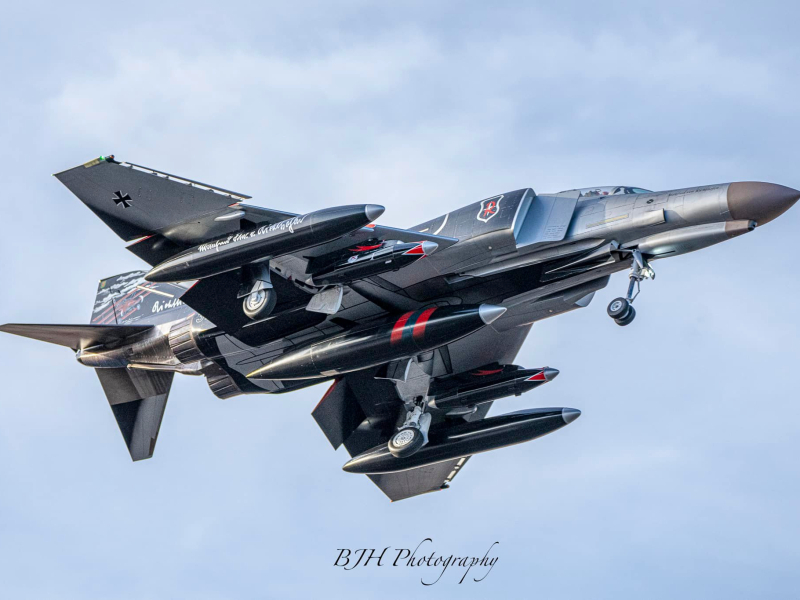
The landing gear is modeled after the actual F4 Phantom’s gear, making it highly realistic in appearance and function. It is a retractable tricycle-type landing gear. The detailed struts are designed to replicate the complex geometry of the original aircraft, including trailing links and suspension components. Our landing gear is based on Electron electronics, matched with our own scale details, including high-quality 3D-printed parts, hydraulic lines, brake calipers, and wheel hubs that mimic the look of the full-size F4.


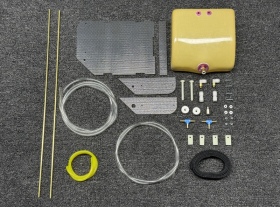
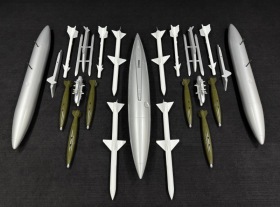
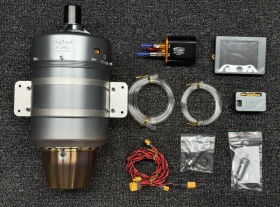
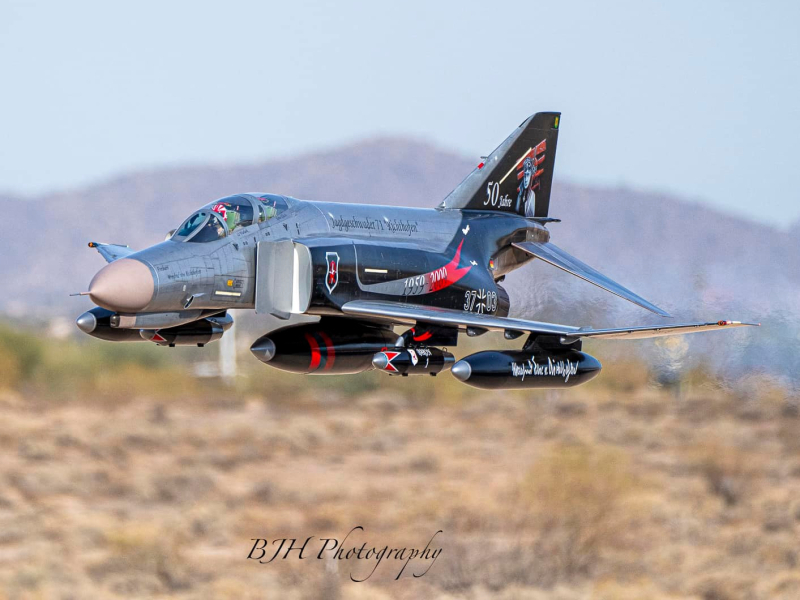
A twin-engine powered jet plane usually carries quite a lot of equipment, like the underwing stations, including a centerline tank, drop tanks, travel pods, sidewinders, sparrows, and other weapons. The F4 is still a very satisfying aircraft to fly with all this equipment onboard. Using two reliable 235-260N Engines makes this plane enjoyable all the time. Engines that size will give the F4 nearly the perfect weight-to-thrust ratio the actual airplane should have. Two CARF-manufactured thrust tubes for the big F4's fuselage will be perfectly fitted to the engines during the turbine installation.
 .
. 
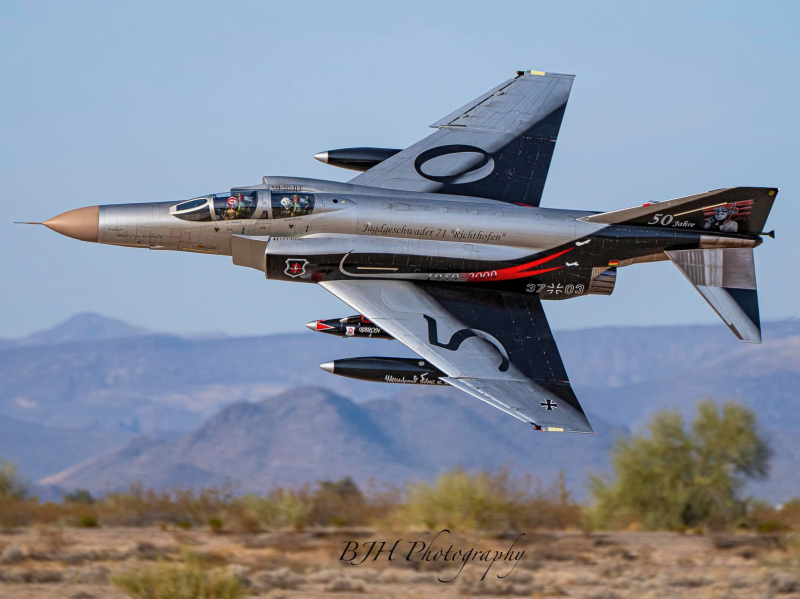
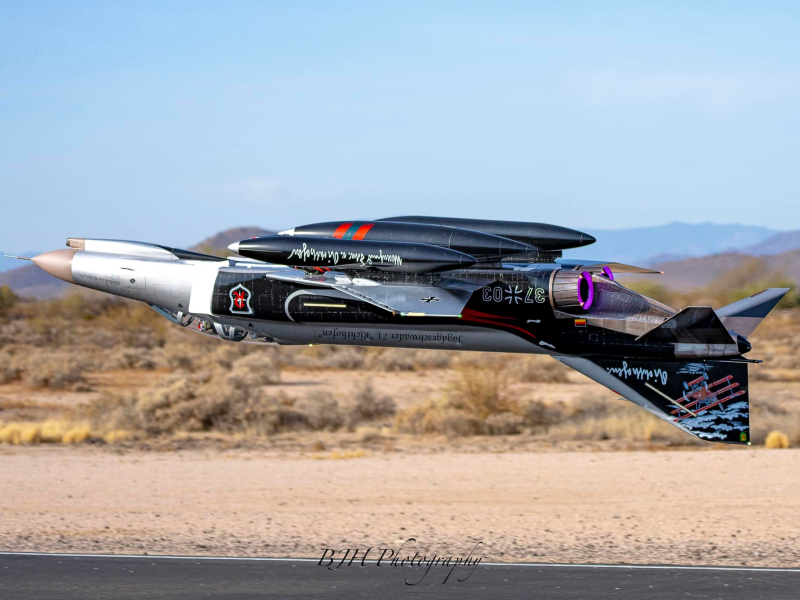
The weathering and breathtaking hot section of the F4 Phantom are key areas where scale realism truly shines beyond its standards. The use of advanced painting techniques, airbrushing, and the work of very skilled people replicates the effects of heat, grime, and operational wear seen on the full-scale F4 Phantom. These details not only enhance the model's visual appeal but also give it the look of a true veteran of the skies.


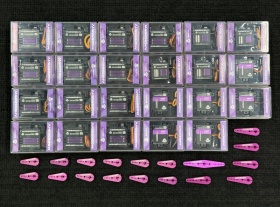
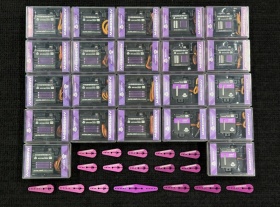
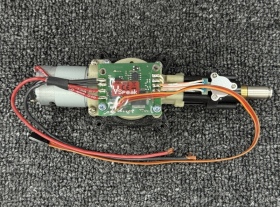
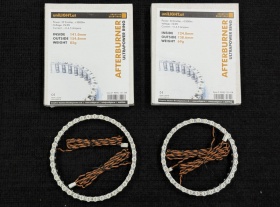
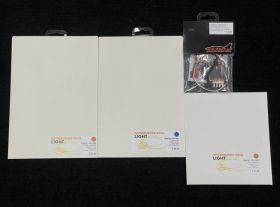
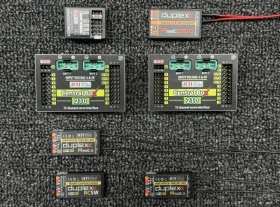
In our PNP builds, we exclusively use MacGregor servos, CARF's choice of brand when demanding torque and reliability. At the same time, we keep the electric power consumption at a minimum, dissipating the least heat and keeping the servos healthy. Unilight lights are a must-have for an airplane like this... Lights all around the plane and the afterburners. Two CB220s or PB Competition SR2s will be needed to use the 20+ Phantom functions.


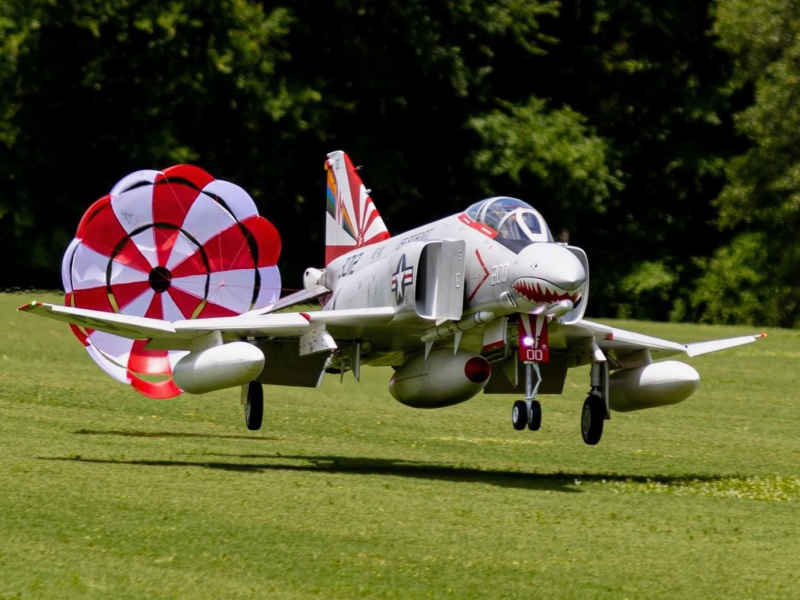
Nothing stops RC enthusiasts from playing with their planes' small but impressive features. For example, a moving canopy that can be locked during takeoff, an outstanding lighting system from UniLight, different afterburner rings, scale speed brakes in the wing, a moving hook at the tail, and, of course, the famous nose lift for the takeoff procedure. Not to be left out, our Phantom also carries a drag chute, which will be deployed through the tail chute hatch by pressing a switch on the radio.


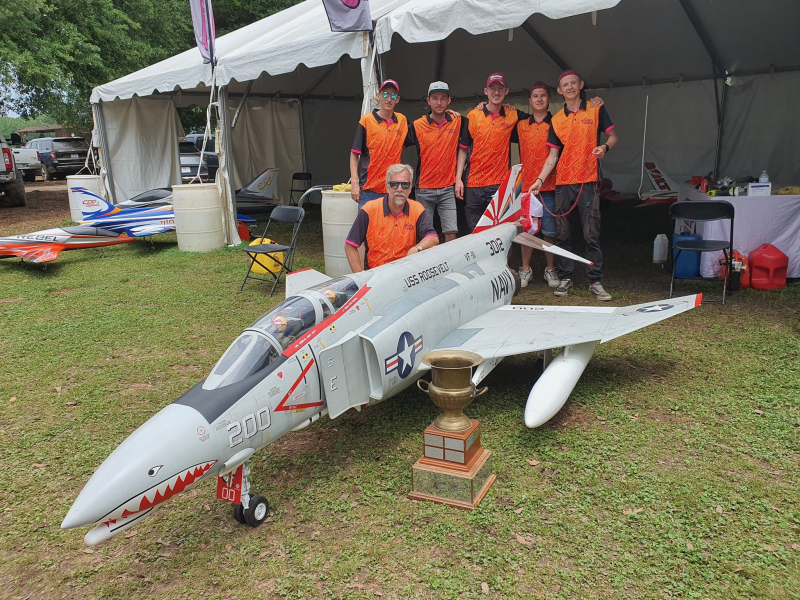
Imagine you only need 2 people to assemble this massive airplane on a single stand. Another option is to use 3 stands and assemble the plane yourself. Getting ready for a flight takes a while, depending on how much equipment you plan to install under the wings. Everybody wants to know how to take a considerable jet apart so they can transport it in their vehicle. The fuselage is divided into three main parts, joined by three 20 mm carbon tubes for the tail, while the front fuselage is hinged with keyholes. Besides that, you have two enormous wings, a centerline, and two drop tanks to transport in your SUV, Van, or trailer. Behind those parts, everything else is roughly the same size.


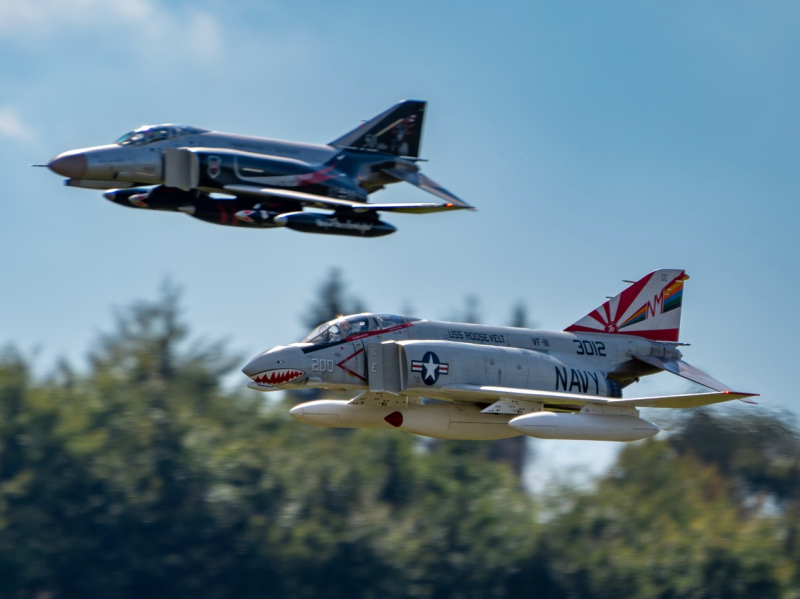
Like all our airplanes, the F-4 Phantom II is no different. They boast meticulously applied PU paintwork, expertly executed in the molds. Explore a gallery of our stunning scale paint schemes, featuring past projects, some crafted to match unique customer requests. If you're seeking a personalized touch, we offer color swaps and fully custom designs developed in collaboration with our skilled artists. Below are a few standout examples:


The CARF Models F4 Phantom offers a rewarding flying experience that combines the thrill of high performance with the accomplishment of mastering such a detailed, impressive model. The "vibe," as our young F4 pilots said, already starts on the ground, pushing the Phantom to the flight line. Everybody is looking for this incredible plane, which has never been seen before. The speechless view of the wings from behind the tail will make you smile. Then, during the engine start, you'll close the canopy and extend the nose gear before takeoff. From then on, it was pure enjoyment, flying high-speed low passes with a bit of smoke and pulling up for a considerable half Cuban eight, doing barrel rolls and show center four point or slow rolls. Overall, all the F-4s should be flown more energetically than other planes, not because they can't fly well. More because it will look better sitting in the air. The control surfaces are super special, as you need a lot of aileron deflection, besides the lack of use for the rudder caused by the V shape of the wings. For those worried about a twin-engine system, it is also flyable with one engine (our Teampilots were lucky enough to be the chosen ones to test that). The whole experience will be enhanced by improved lighting for excellent flight during the day or a sunny evening.









 |
2650 mm |
|
|
Short Nose: 4000 mm Long Nose: 4300 mm |
|
|
44 - 55 kg |
|
|
2x 230 - 250 N |
|
|
22-25 Digital High Class Servos |