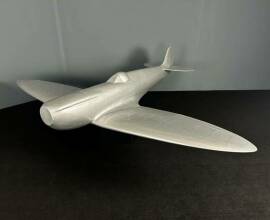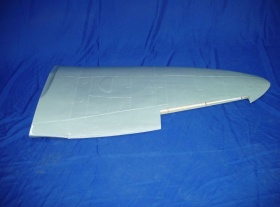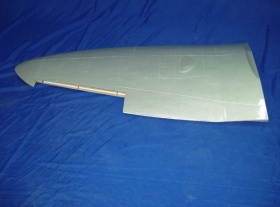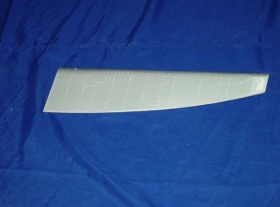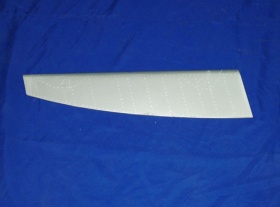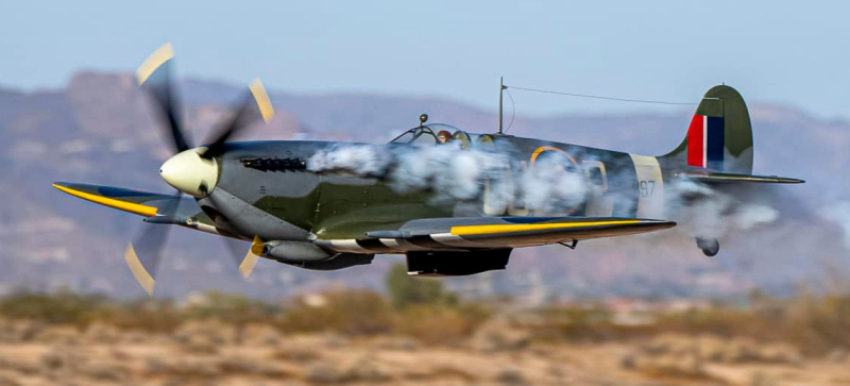
The Supermarine Spitfire is one of the greatest and most famous WWII fighters. It earned its fame in the legendary “Battle of Britain”. It was a light, very maneuverable fighter. Because its design history goes back to the early 30s. Many modifications and upgrades evolved from the prototype over the first production unit, the Mark I, up to Mark XXIV, built long after the war was over. The Mark IX (Mark 9) was one of the most famous and most widely built versions, powered by the old-faithful 12-cylinder Rolls-Royce Merlin engine.
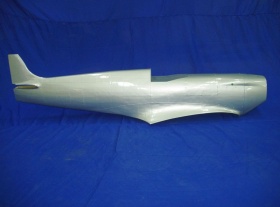
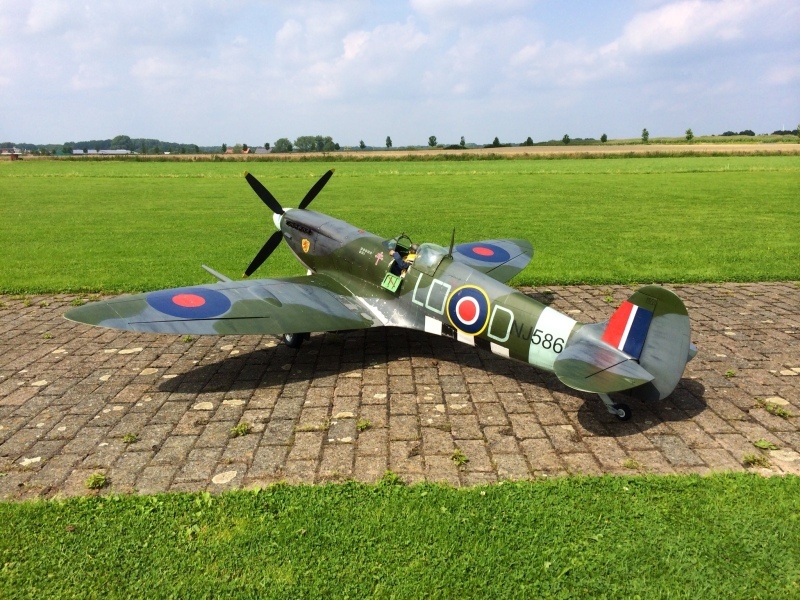
CARF Models has decided to pick up an old “FiberClassics” project and revive a kit which was already designed and built in 1993, resembling a Mark V at this time. Modifications and refinements made the kit a state-of-the-art all-composite Mk IX, matching precision, prefabrication, and completeness with our newest warbird creations. It can be powered by a 60-80 cc single-cylinder engine, and it is currently only available as an all-silver kit.


The fog starts to lift. Within minutes, the 12-cylinder Merlin is breathing fire from its exhausts. Taxi out, last run up, brakes released and off they go. Wheels up, then a final pass over the airfield, the roar of its exhaust sending chills down the spines of the few watching, now off to the skies over the Channel, where danger is lurking.
They disappear from the view of those left behind, waiting, hoping for their return…


The CARF-Models Spitfire Mk IX features a lot of design details that make building and flying enjoyable and successful:
Here you can see six views of the all-silver Standard Scheme Spitfire.


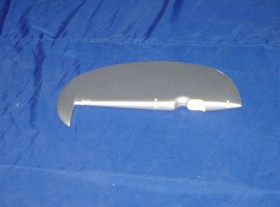
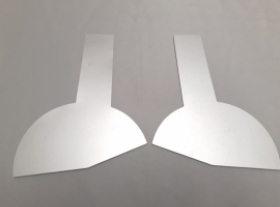
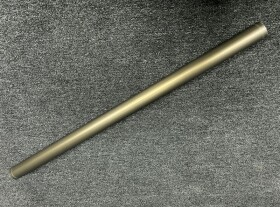
The Spitfire’s wings are joined under the fuselage with a 40 mm high-quality aluminum tube, and they are attached with 4 bolts to the fuselage. Formers, mounts, nuts, and sleeves are factory-built in the fuselage and wings. Wings and stab are aligned with each other before the kit gets packed in the box. All control surfaces, except the split flaps, are hinged with hinge posts and steel pins. They are factory-installed and aligned. It is a very precise and lightweight solution. Most control horns and servo mounts are included in the hardware and will be installed within a very short time by the builder. However, the elevator control horn, due to its tricky geometry, was already installed in the factory for you.


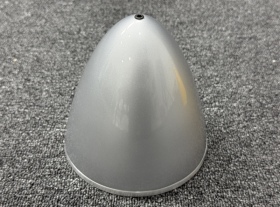
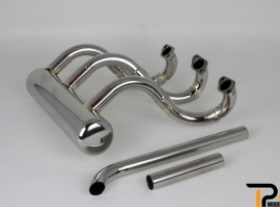
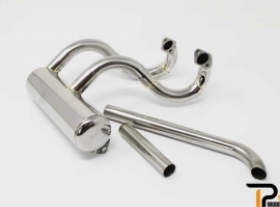
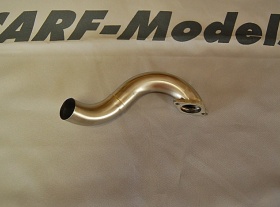
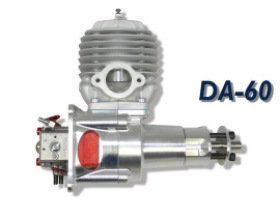
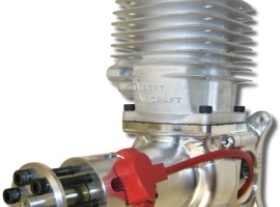
The Spitfire is fitted with a nice, strong motor dome, prepared for a common 60-85 cc engine; we recommend the DA-85. The fuselage front end and top wing area are designed to mount a canister muffler inline behind the cylinder. We also offer a canister set with a header for the DA-85. Cooling requires a small hole in the front of the cowling, but thanks to the good airflow, it can remain very small. If you decide to install a twin inline engine, it is as easy as cutting the motor dome to the correct length and gluing a plywood firewall from the inside in the right place. Structurally, no problem at all. The heavier twin-cylinder engine will allow you to place RC components further back in the fuselage, where they might be more easily accessible for installation and maintenance.


Many tend to badmouth the Spitfire’s characteristic design features, such as the small horizontal stab, the narrow and far back landing gear, as well as the elliptic wing itself… We at CARF have no idea what bad habits they should be responsible for. With the correct airfoil and the correct CG the small stab doesn’t have any negative effect at all. A solid landing gear, slightly cheated in position and angles, makes the ground handling as easy and safe as with any other warbird, and the elliptic wing itself, we are at a loss why this should cause any problems, if the CG is set right
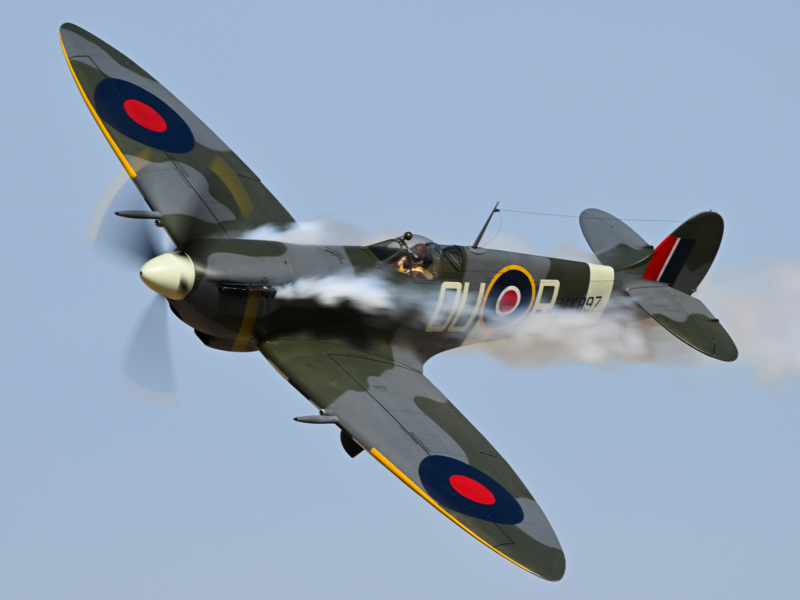
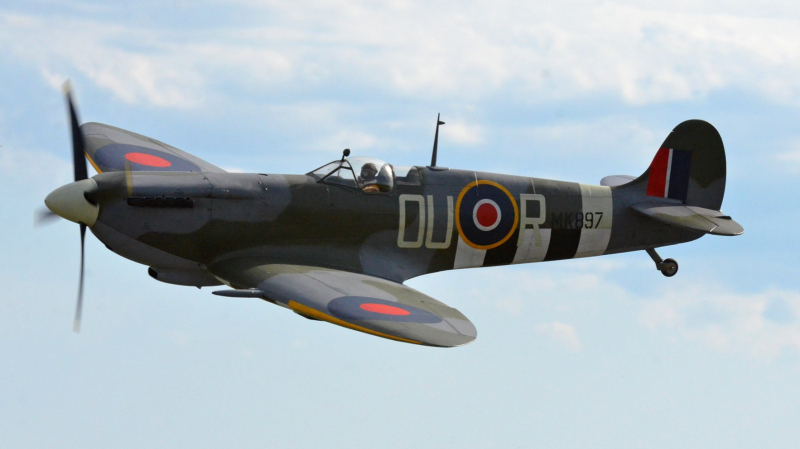
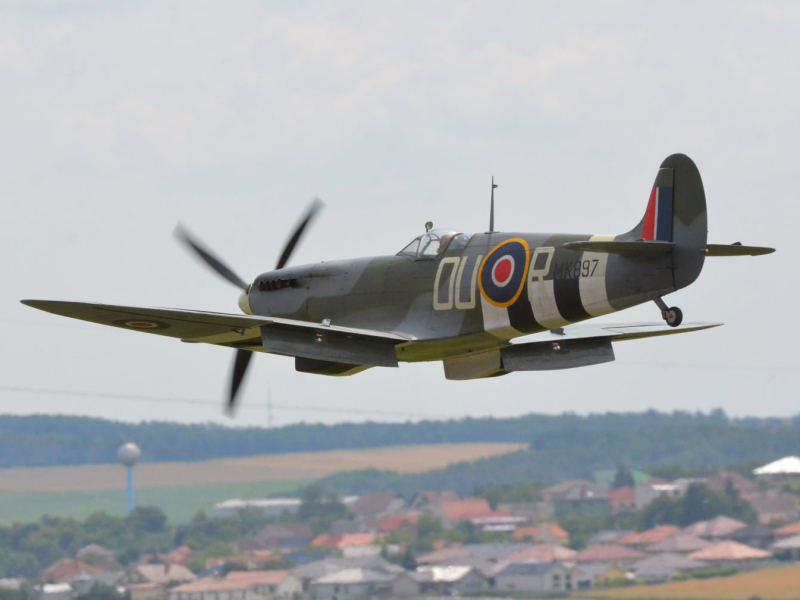
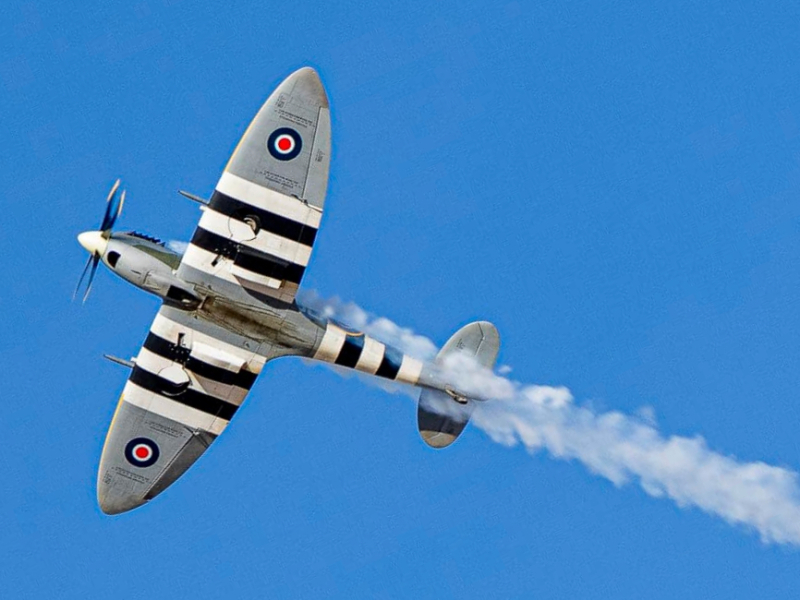
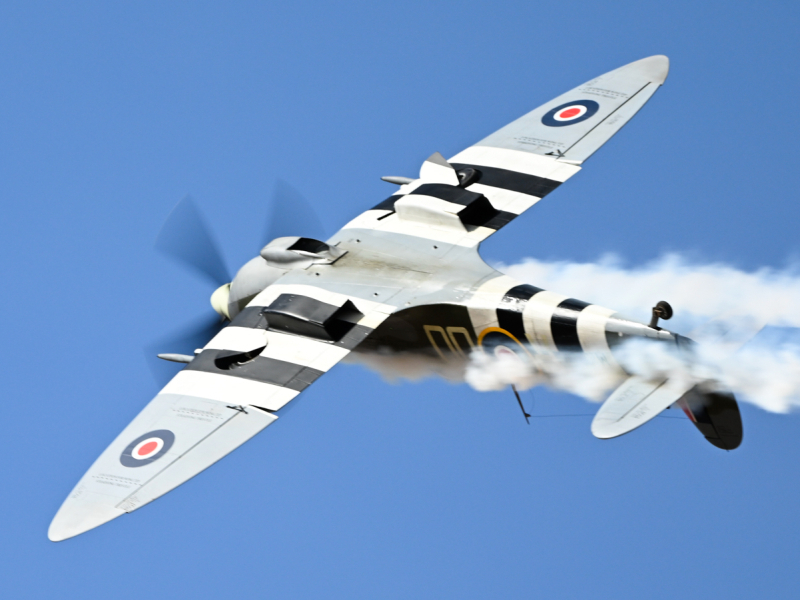
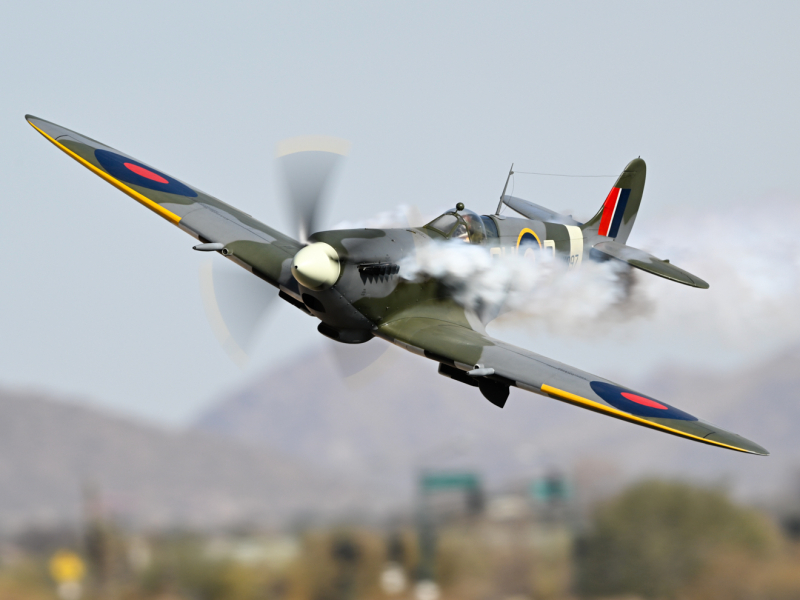
The model has the same flying characteristics as the real thing! Aerobatic maneuvers are smooth and flowing, creating an incomparably realistic impression as the CARF Spitfire performs in its element. Military and barrel rolls, huge loops, slow passes with extended flaps, all seemingly effortless. Almost like, the fewer the control inputs, the better she flies! Ground handling is surprisingly good despite the narrow wheelbase and non-steering tailwheel, with little tendency to nose over on landing. As long as the CG is within its limits, the aircraft shows no adverse effects from its small stabilizer; its nearly stallproof, uncritical elliptical wing is nearly stallproof. Once you've flown a CARF Spitfire, you'll know it sets the standard to which other warbirds aspire.


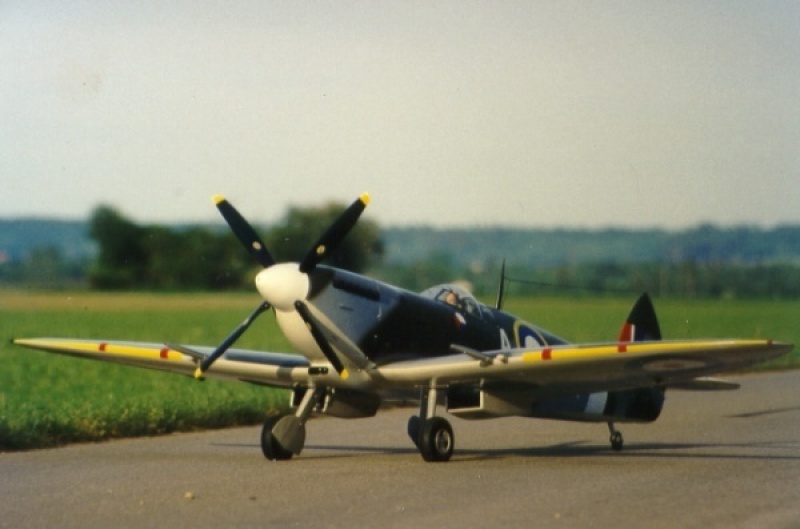
We will offer the all-silver scheme as a standard. Additionally, we do produce custom schemes; for those, you need to make a request to finalize the price depending on the specific scheme.


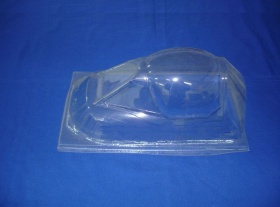
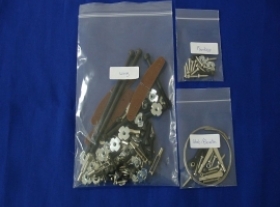
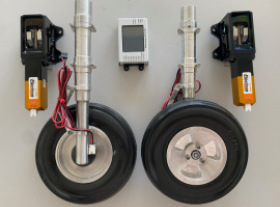
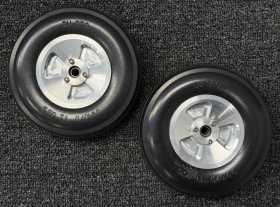
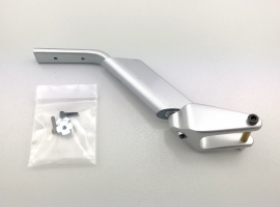
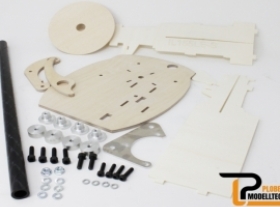
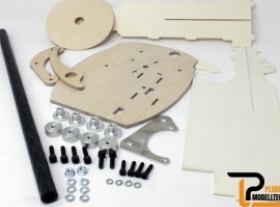
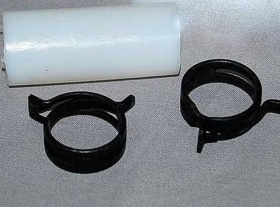
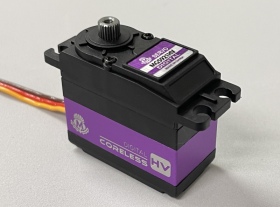
Much more comprehensive than before, the new CARF Spitfire kit includes a complete hardware package with many additional, helpful wooden parts, as well as high-quality accessories such as linkages, clevises, ball joints, screws, nuts, servo screws, and mounting hardware for the horizontal stabilizer and wings. In addition to the basic kit contents, a wide range of accessories is available, such as an electric scale, landing gear, tailwheel gear, and scale wheels. Spinners and engine installation kits for the most powerful multi-cylinder inline engines on the market are also available. Furthermore, we offer Mac Gregor servos in combination with our own CARF-Models servo arms.


The CARF Models Spitfire has been an old plane converted into a new project, which has heightened excitement across the whole CARF team. That is because not only the full scale, also the model has a colorful history. It is a great, proven design with breathtaking flying characteristics. Low weight results in low wing loading, thus great slow-flight characteristics, easy landings, and easy takeoffs.
The CARF Spitfire, a dream airplane, resurrected with our most modern production technology, featuring proven design elements and legendary flight characteristics… many have waited a long time, hoping we would bring it back; here it is. Call a rep, get a quote – or just “Buy It Now”!





 |
102" (2580 mm) |
|
|
88" (2240 mm) |
|
|
33 - 37 Lbs (15 - 17 kg) dry |
|
|
50 - 85 ccm |
|
|
8-10 middle to high class servos |